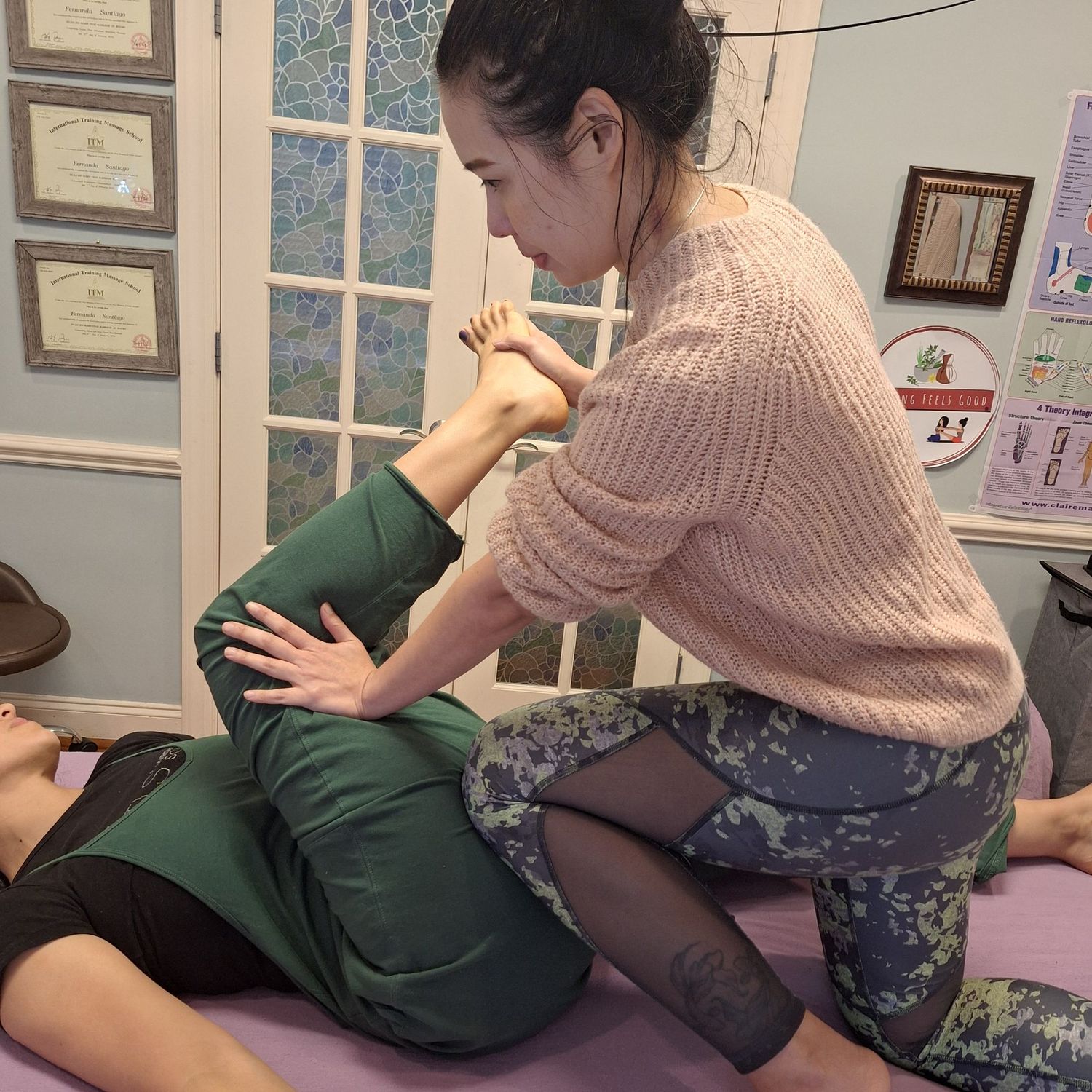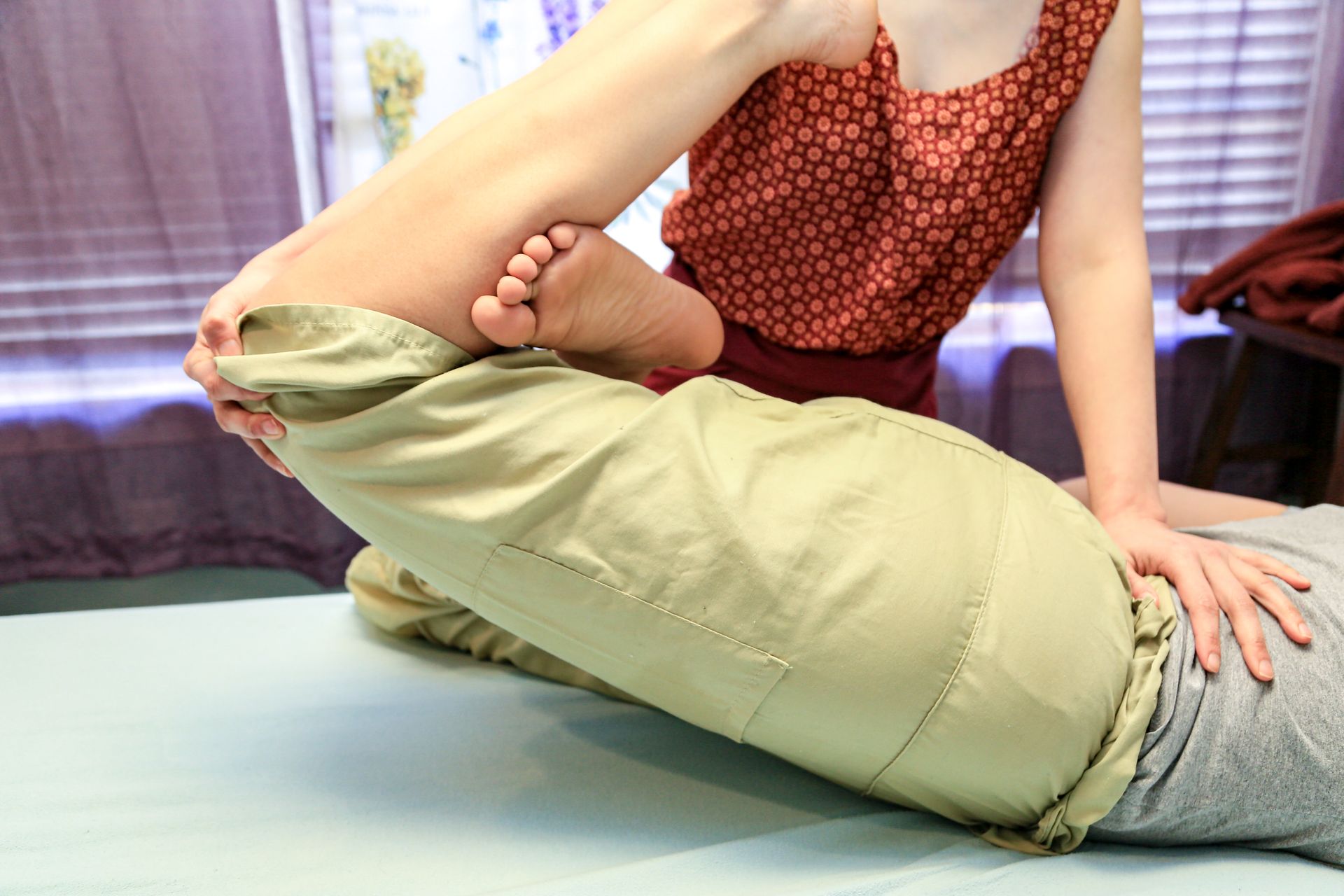

Thai Massage Training & Continuing Education

Explore hands-on Thai massage courses designed to help massage and wellness professionals build practical skills, improve body mechanics, expand their treatment options, and choose the training that best fits their goals.
Smarter Thai Massage Training

Explore Hands-On Thai Massage Training Opportunities

Apex Retreat Seminars offers hands-on Thai massage training for massage and wellness professionals who want to expand their techniques, work more efficiently, and bring new services into their practice with confidence.

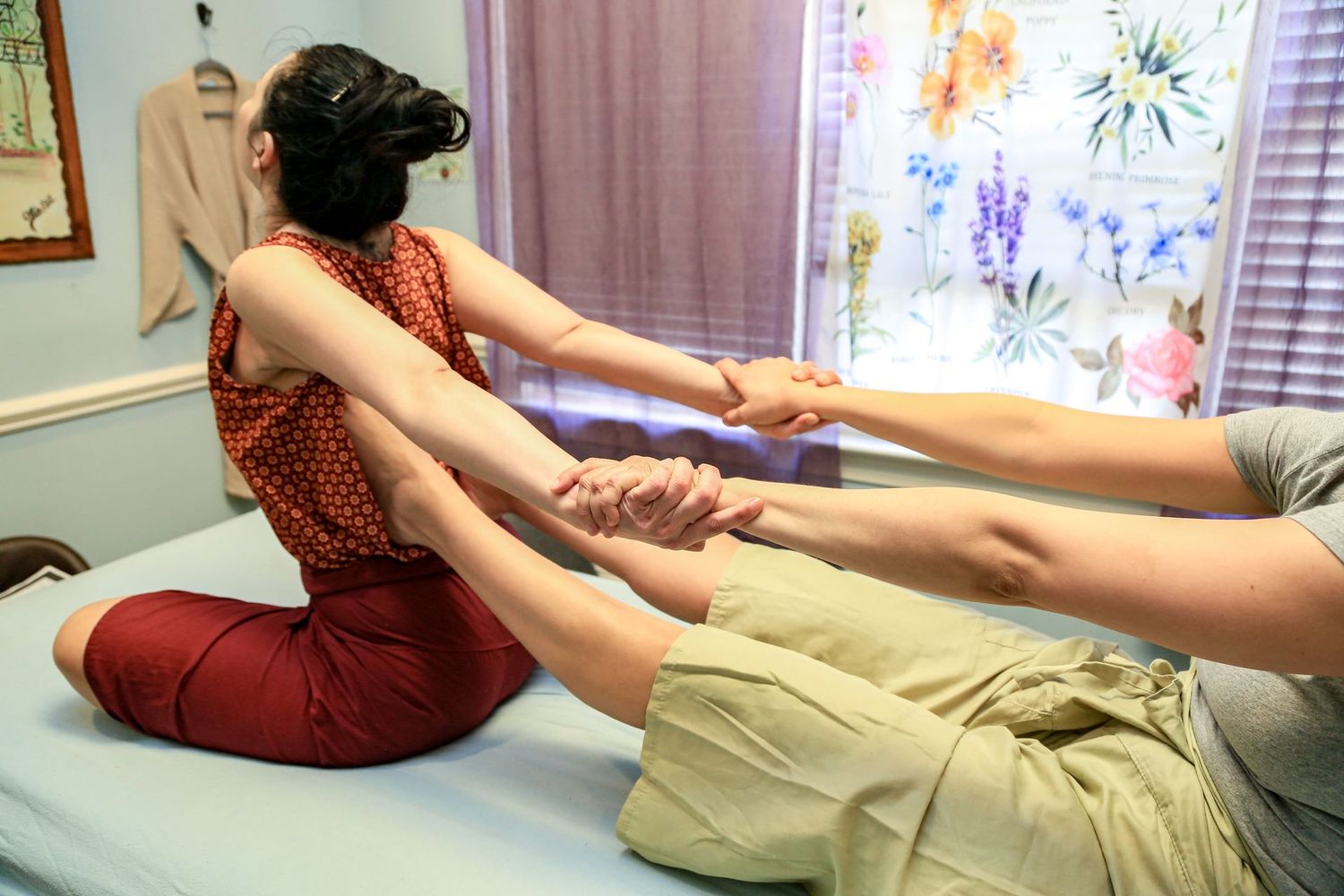
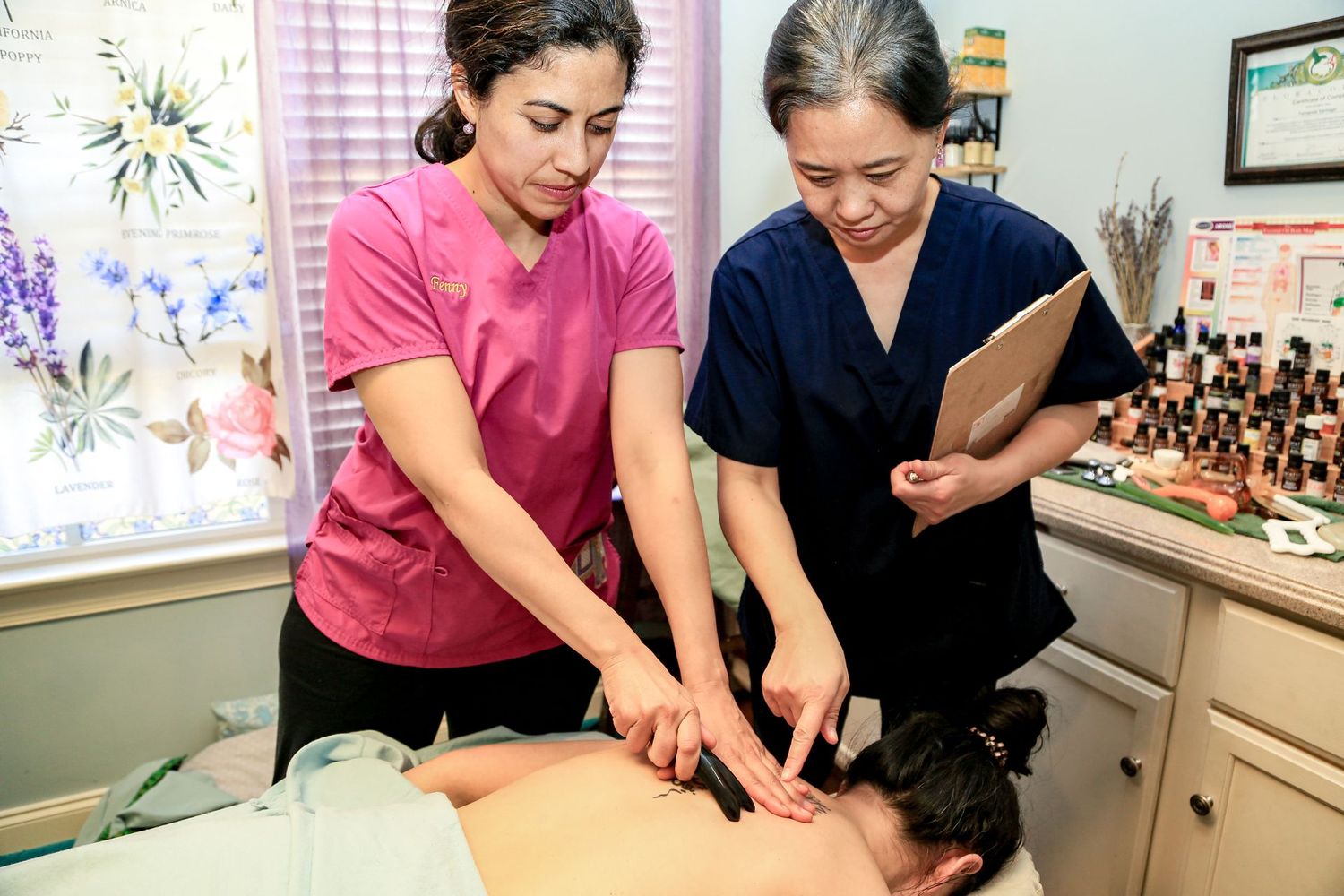
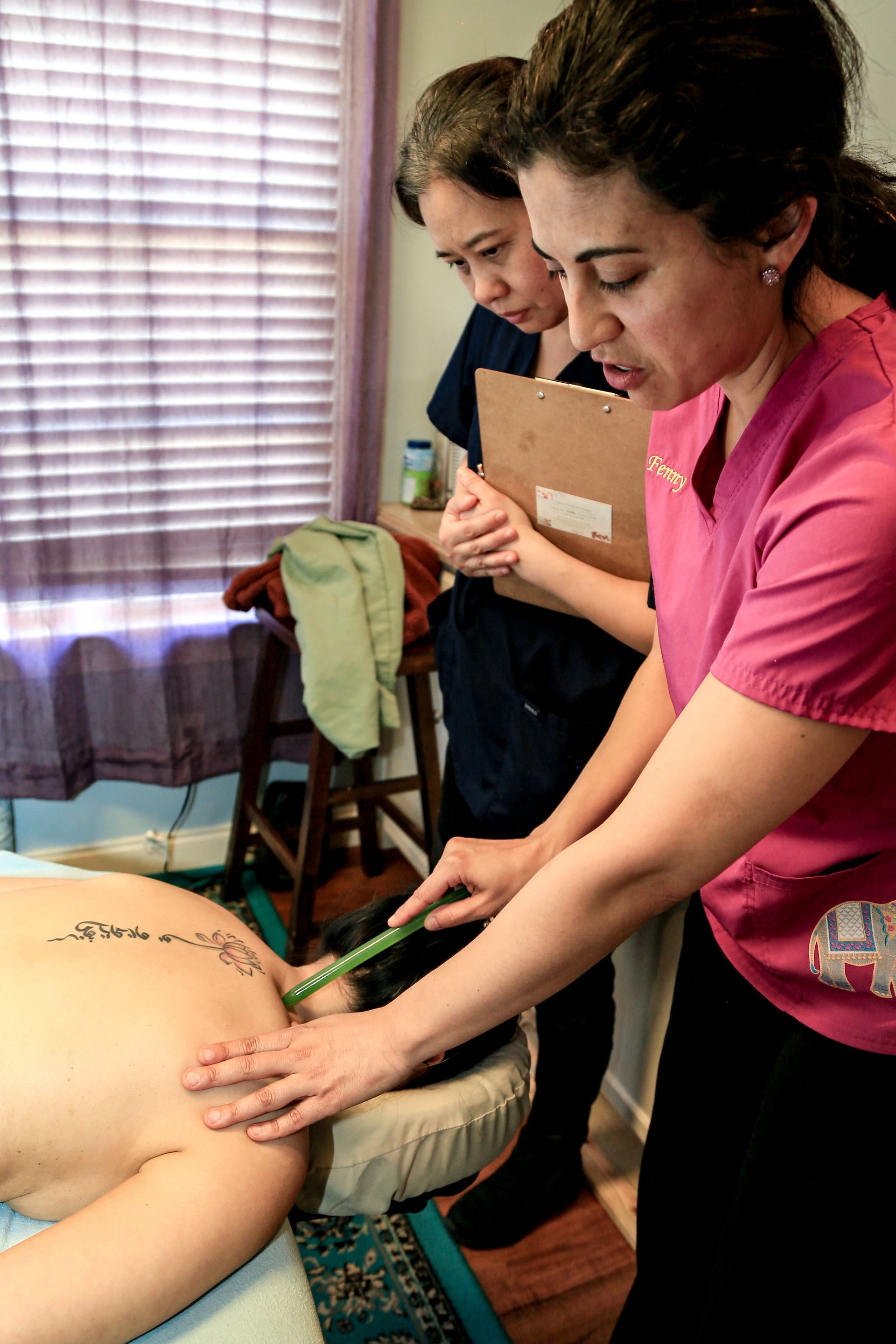
Courses range from foundational Table Thai Massage to more specialized training in Thai cloth bodywork, Thai foot massage, and herbal poultice techniques. Each workshop is designed to give practitioners practical skills they can apply in real sessions while also improving body mechanics, leverage, and overall treatment versatility.

After each course, you can expect to leave with:

  • Practical Thai massage techniques you can begin incorporating into sessions
  • Better body mechanics designed to reduce strain and make your work more sustainable
  • Greater confidence using new techniques, tools, positions, or treatment methods
  • A clearer understanding of when and how to apply what you learned with clients
  • New ways to enhance mobility, relaxation, comfort, and the overall client experience
  • Skills that can help you expand or differentiate the services you offer

Find Your Best Fit

Not Sure Which Thai Massage Course Is Right for You?

Each Thai massage workshop focuses on a different set of techniques, applications, and treatment goals. Some courses are designed to introduce you to Thai bodywork on the massage table, while others help you build specialized skills in stretching, foot massage, herbal therapies, or traditional Thai tools.


Use the course summaries below to compare what you will learn and find the training that best fits your current experience, the type of clients you work with, and the services you want to add to your practice.

Best For: Therapists who are new to Thai massage or want a shorter introduction to incorporating Thai techniques into their existing table sessions.

  • What You'll Learn:

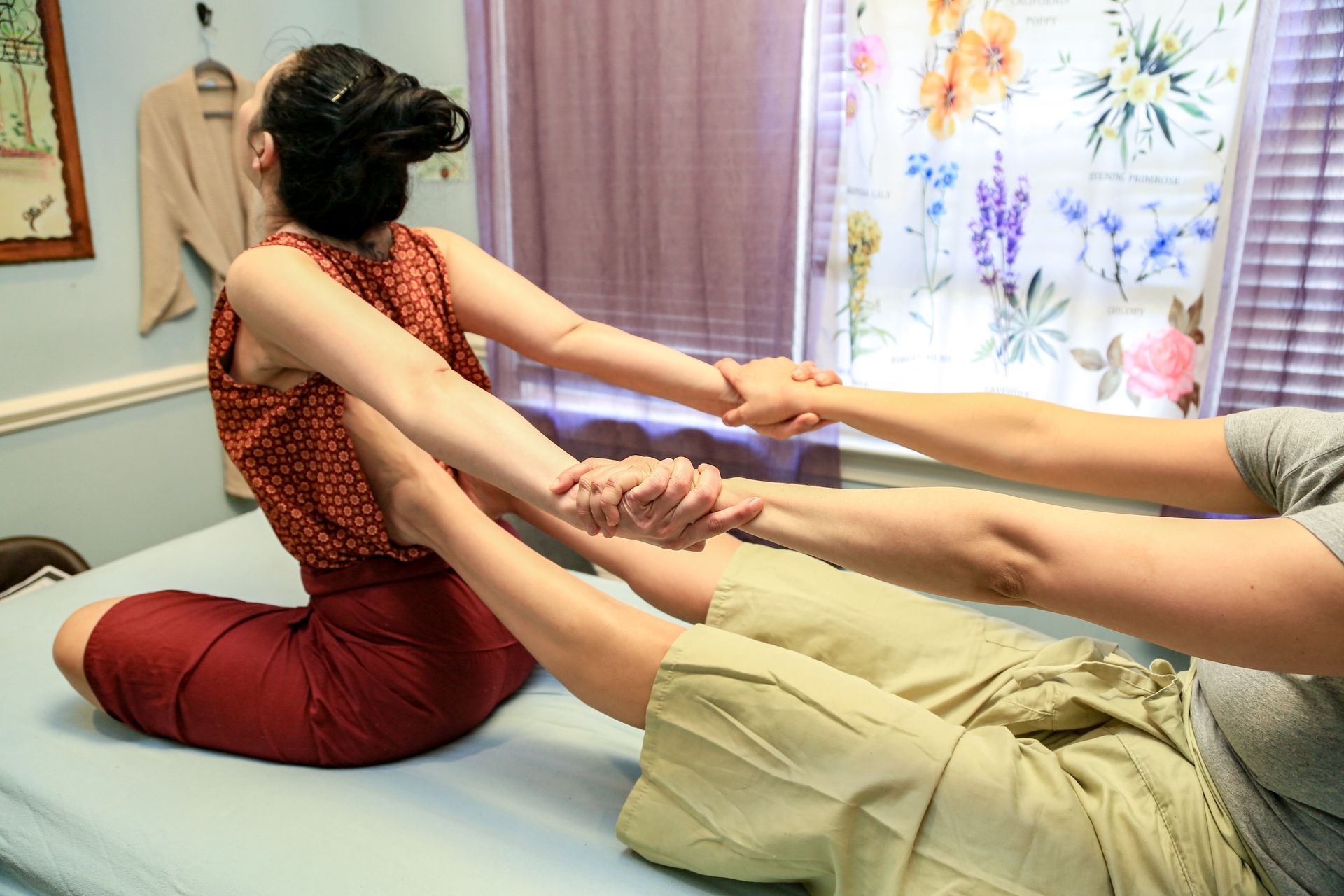
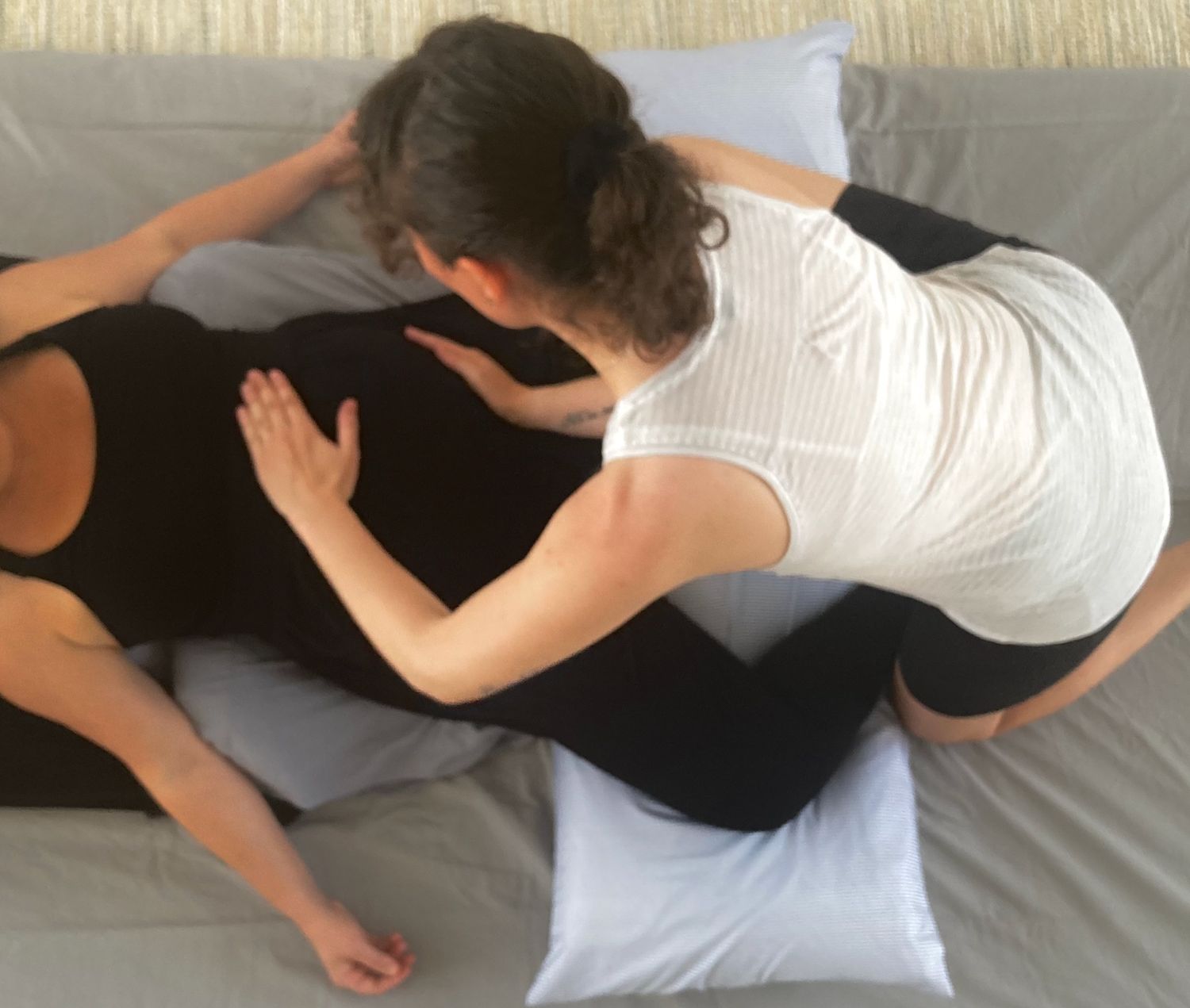
    • Adapt foundational Thai massage techniques for use on a massage table.
    • Work effectively with clients in supine and prone positions.
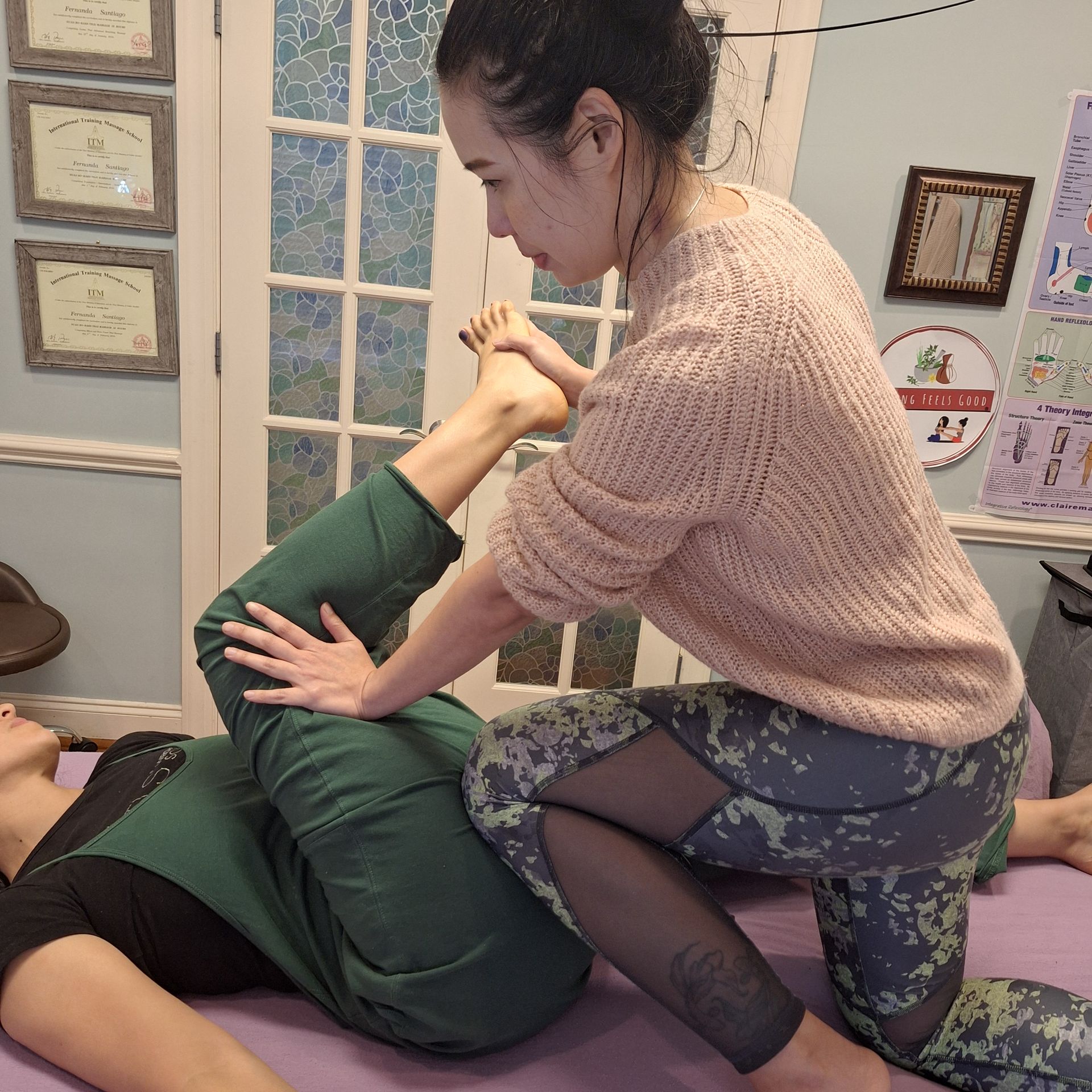
    • Use elbows, knees, feet, and Thai body mechanics to reduce strain on the hands and body.
    • Incorporate techniques that help release myofascial tension while making sessions more efficient and sustainable.

Best For: Therapists who want a more complete Table Thai system and a wider variety of techniques and positioning options.

  • What You'll Learn:

    • Adapt a broader range of traditional Thai massage techniques to the massage table.
    • Work with clients in all four major Thai massage positions: supine, prone, side-lying, and seated.
    • Incorporate acupressure techniques alongside stretches and bodywork.
    • Use elbows, knees, feet, and efficient Thai body mechanics to release tension while reducing physical strain on the therapist.

Best For: Therapists looking for a more specialized Thai bodywork skill that expands stretching and mobility work while helping reduce strain on their own bodies.

  • What You'll Learn:

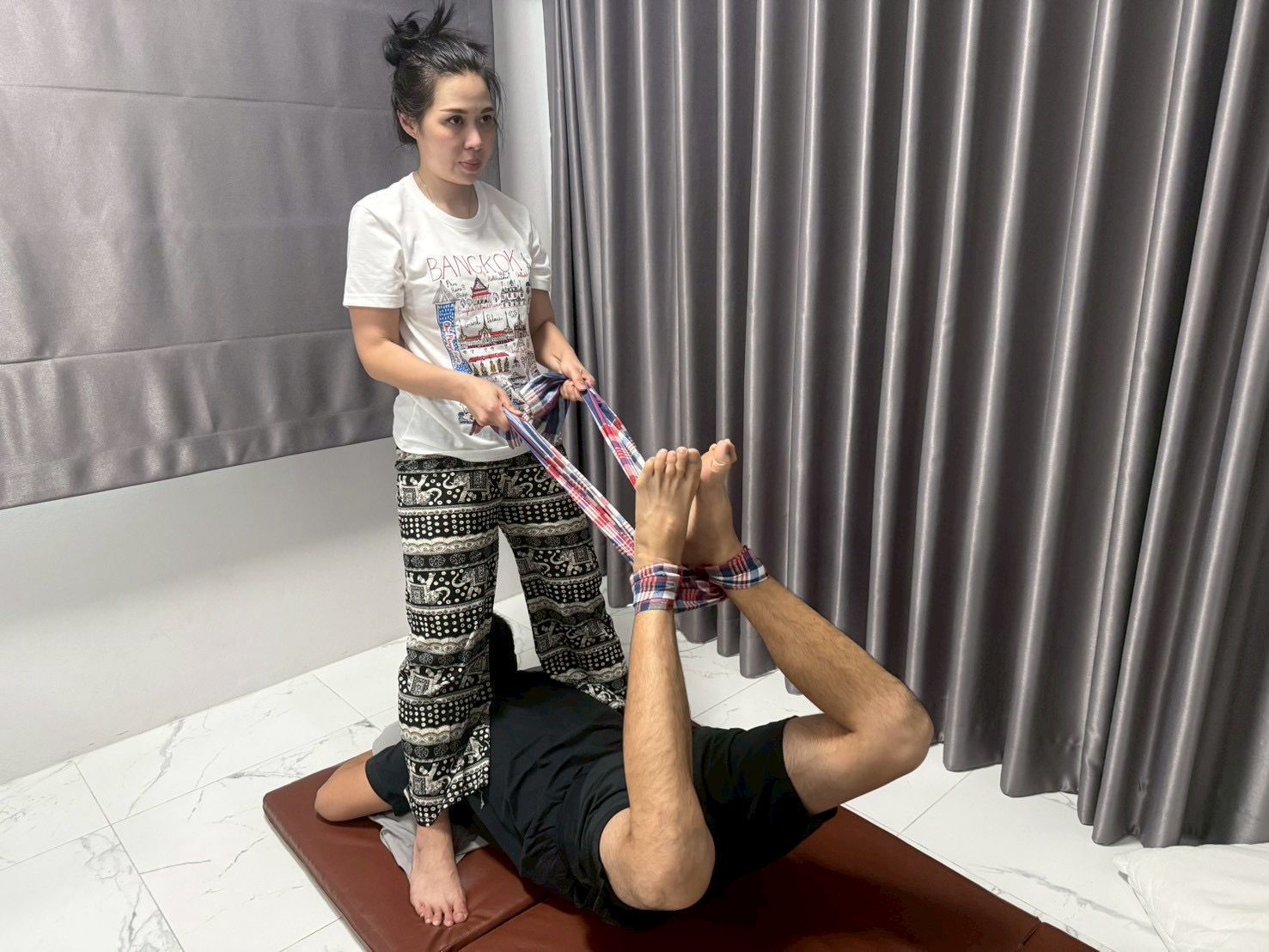
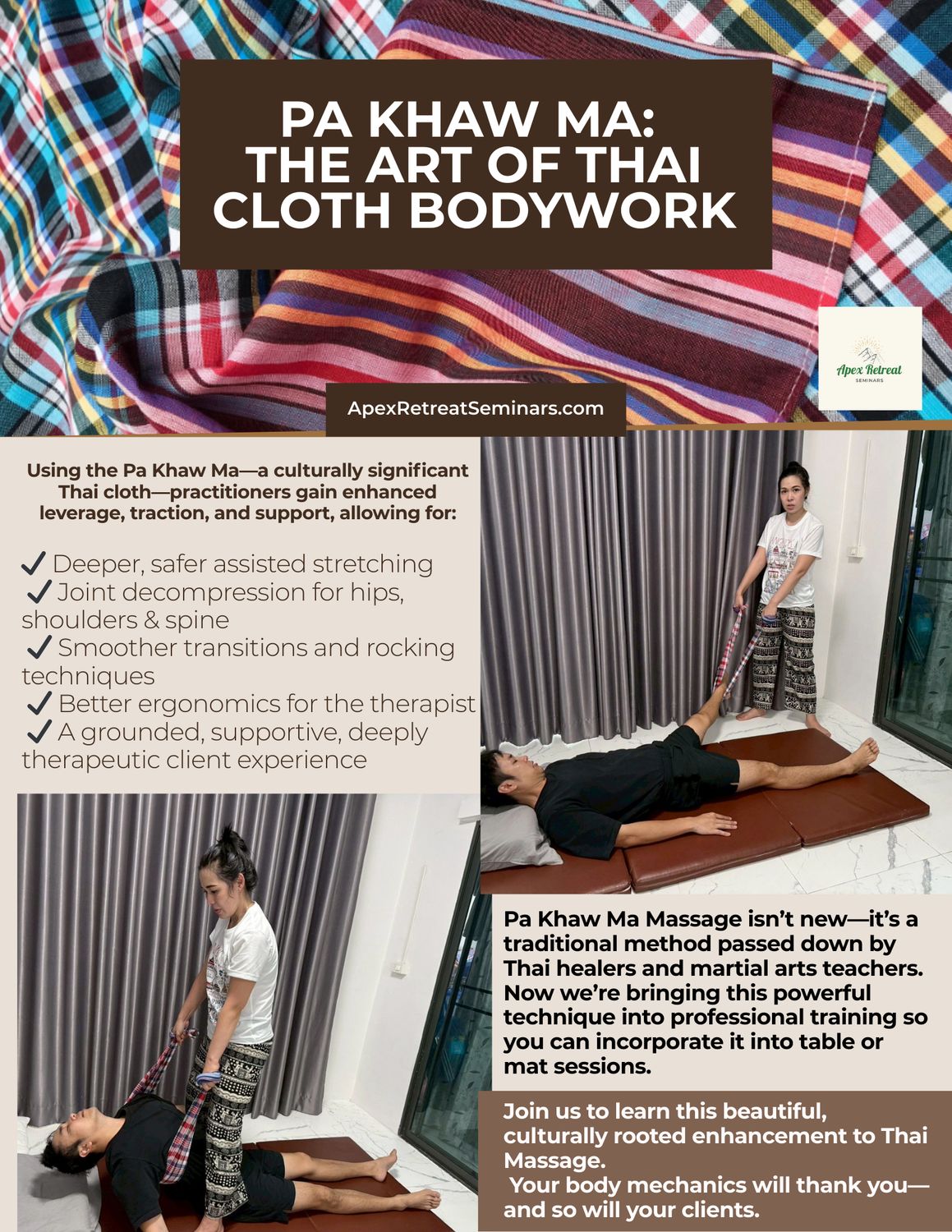
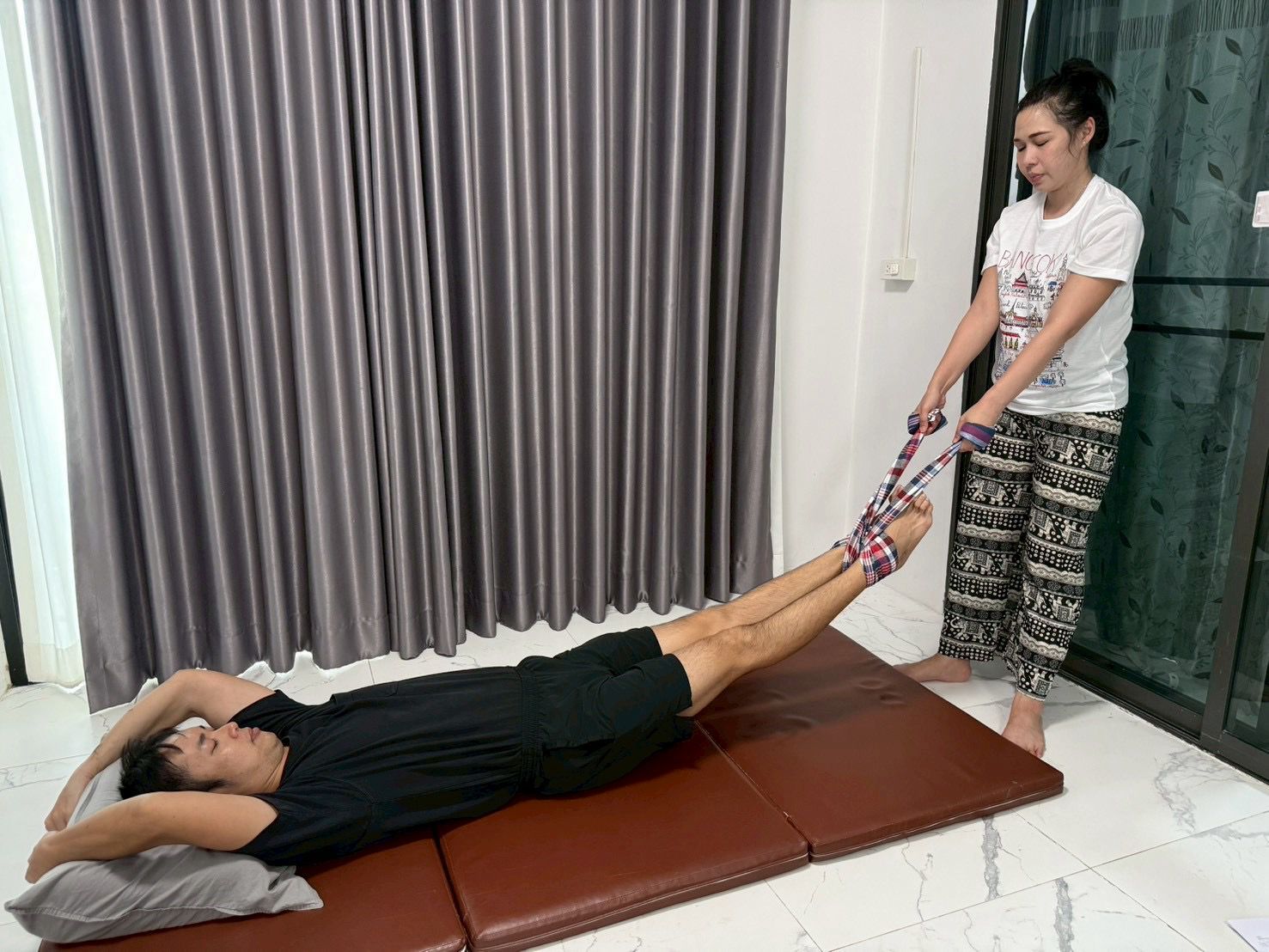
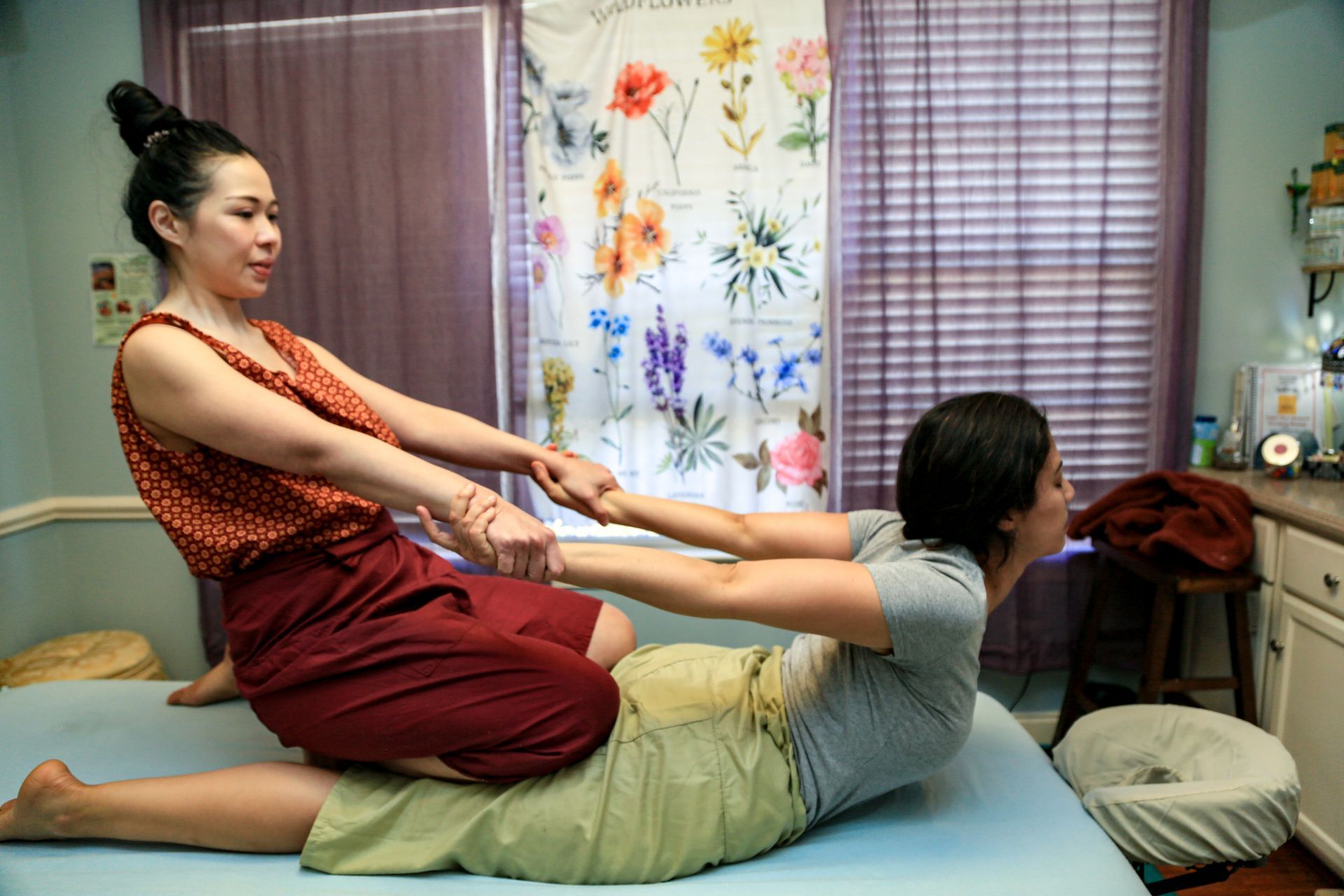
    • Use a traditional Pa Khaw Ma woven Thai cloth for traction, assisted stretching, and joint mobilization.
    • Improve leverage and support clients through deeper, more controlled stretches without relying solely on physical strength.
    • Apply cloth-based techniques on either a massage table or mat.
    • Incorporate techniques designed to support mobility, reduce muscular tension, encourage joint decompression, and improve therapist body mechanics.

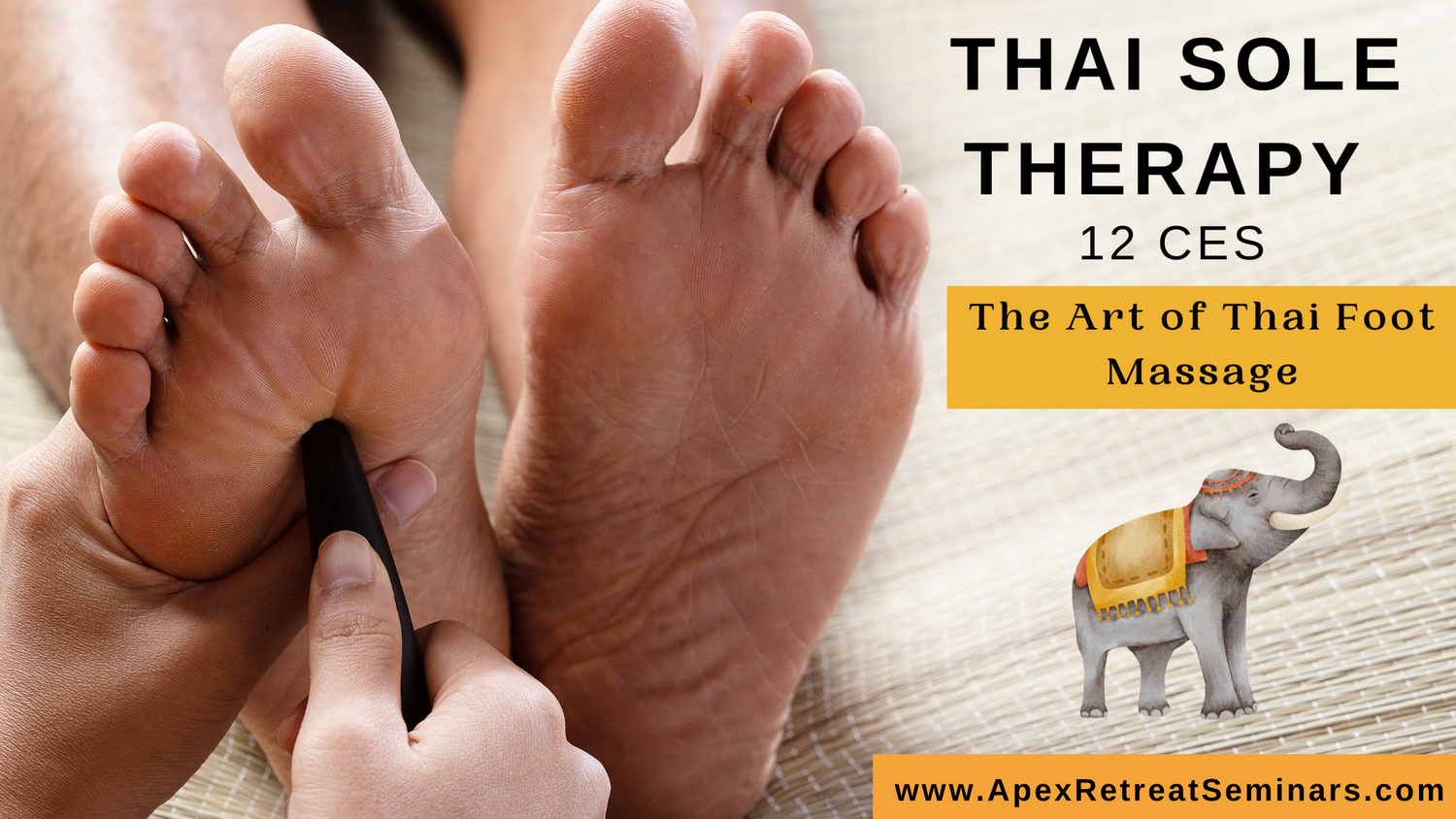
Best For: Therapists and spa professionals who want to add a specialized foot treatment or standalone service to their menu.

  • What You'll Learn:

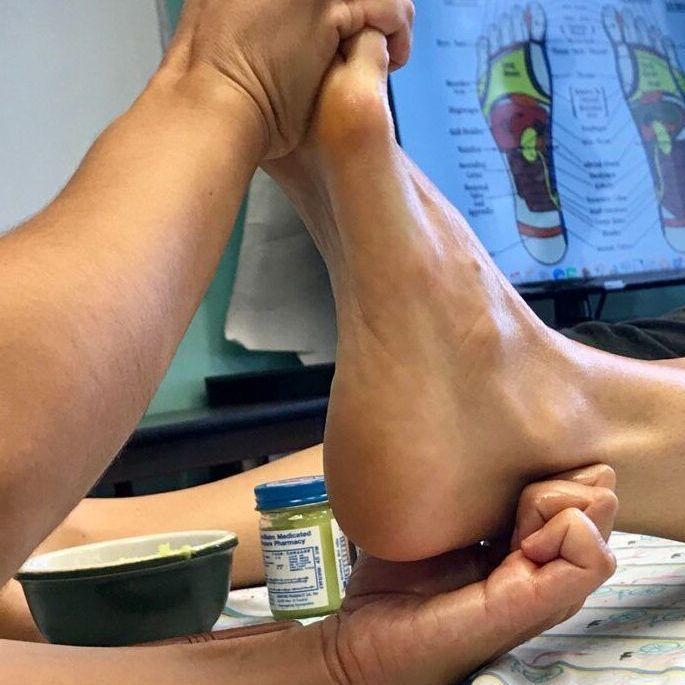
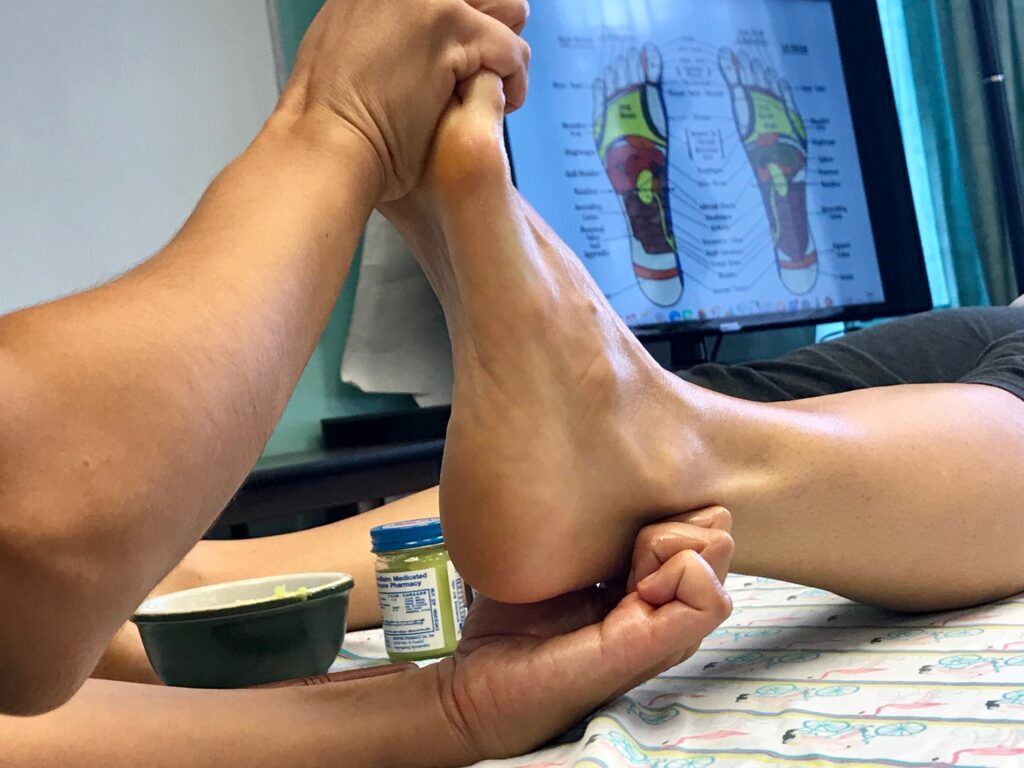
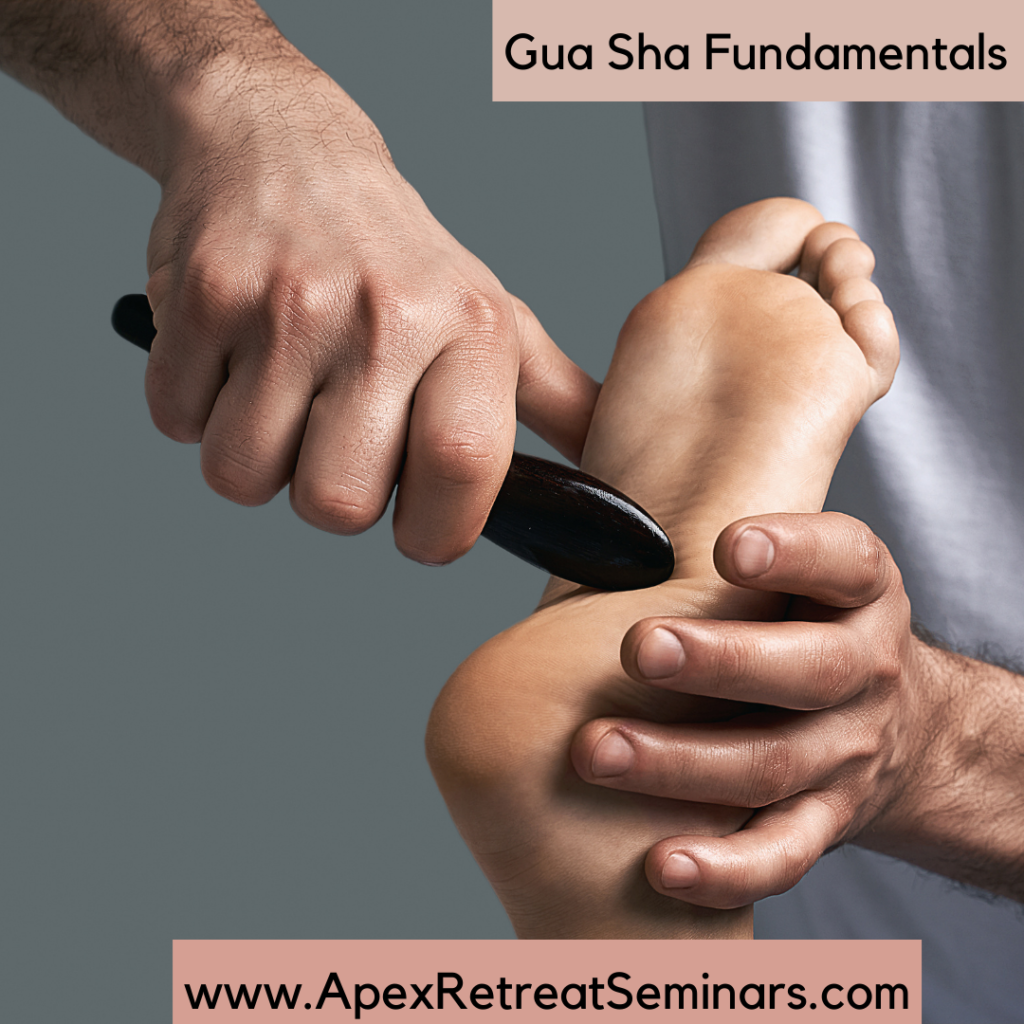
    • Use the hands, fingers, thumbs, knuckles, and specialized tools to work pressure points throughout the feet.
    • Apply Thai foot massage techniques influenced by the body's Sen lines.
    • Use body mechanics that reduce repetitive strain on the hands and thumbs.
    • Create a more complete foot treatment using foot baths, salts, exfoliation, and customized foot soak blends.

Best For: Therapists who want to enhance existing massage services with heat, herbs, and a traditional Thai treatment that can also become a distinctive spa offering.

  • What You'll Learn:

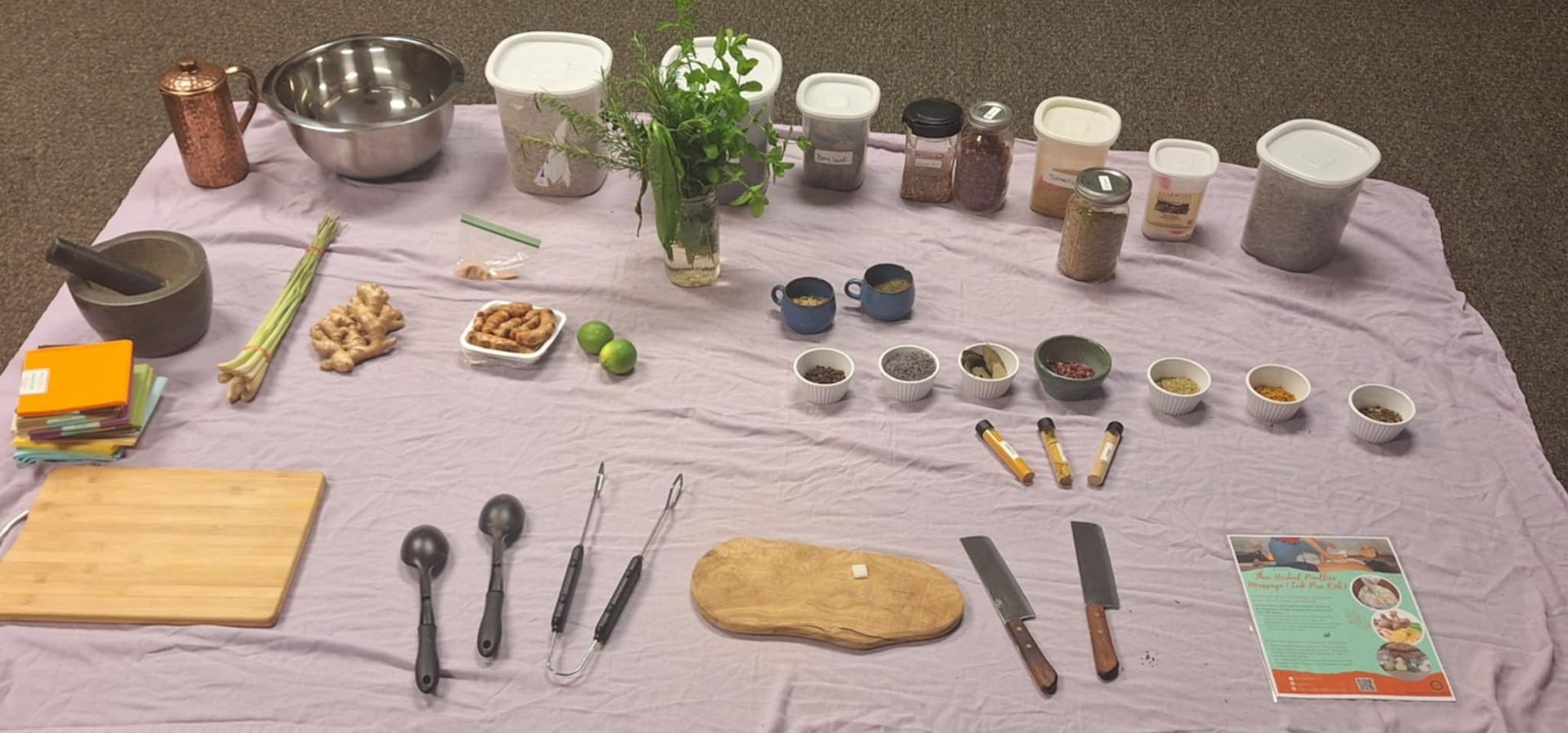
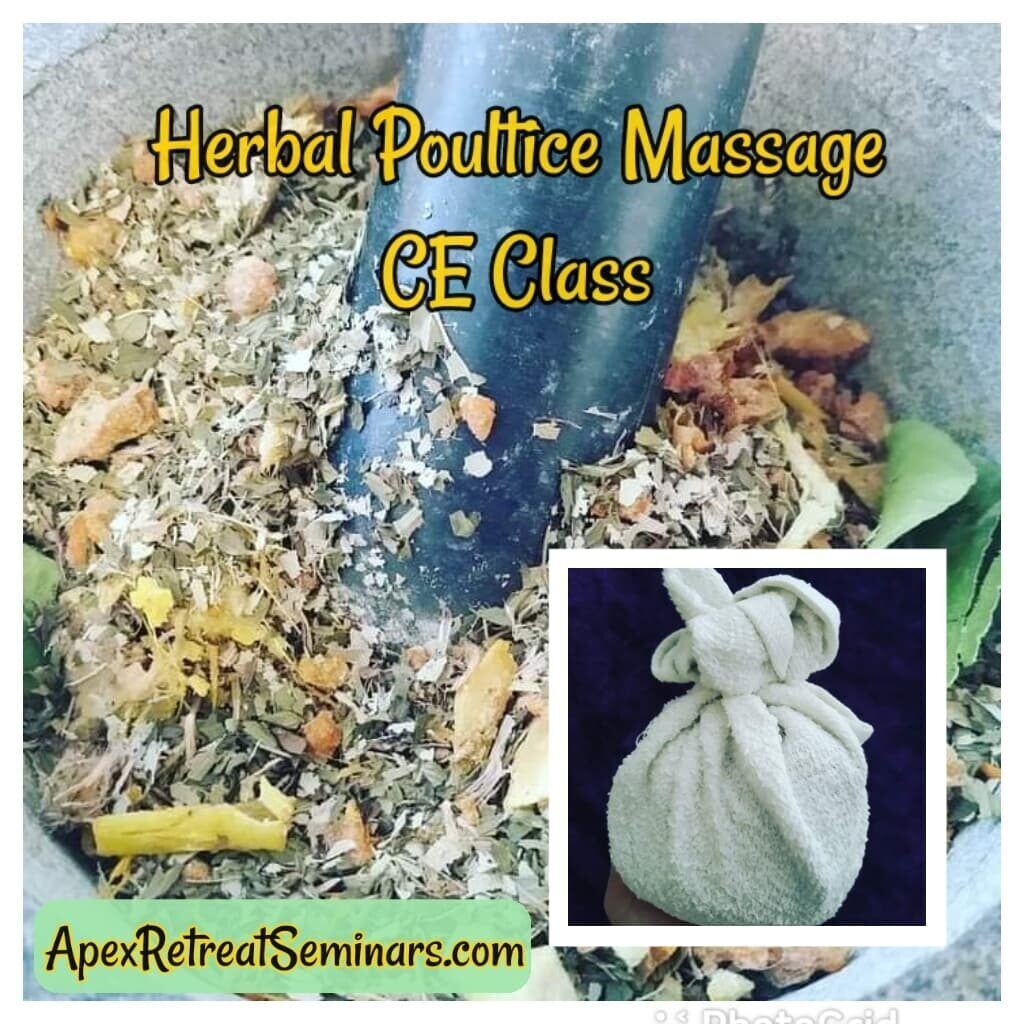
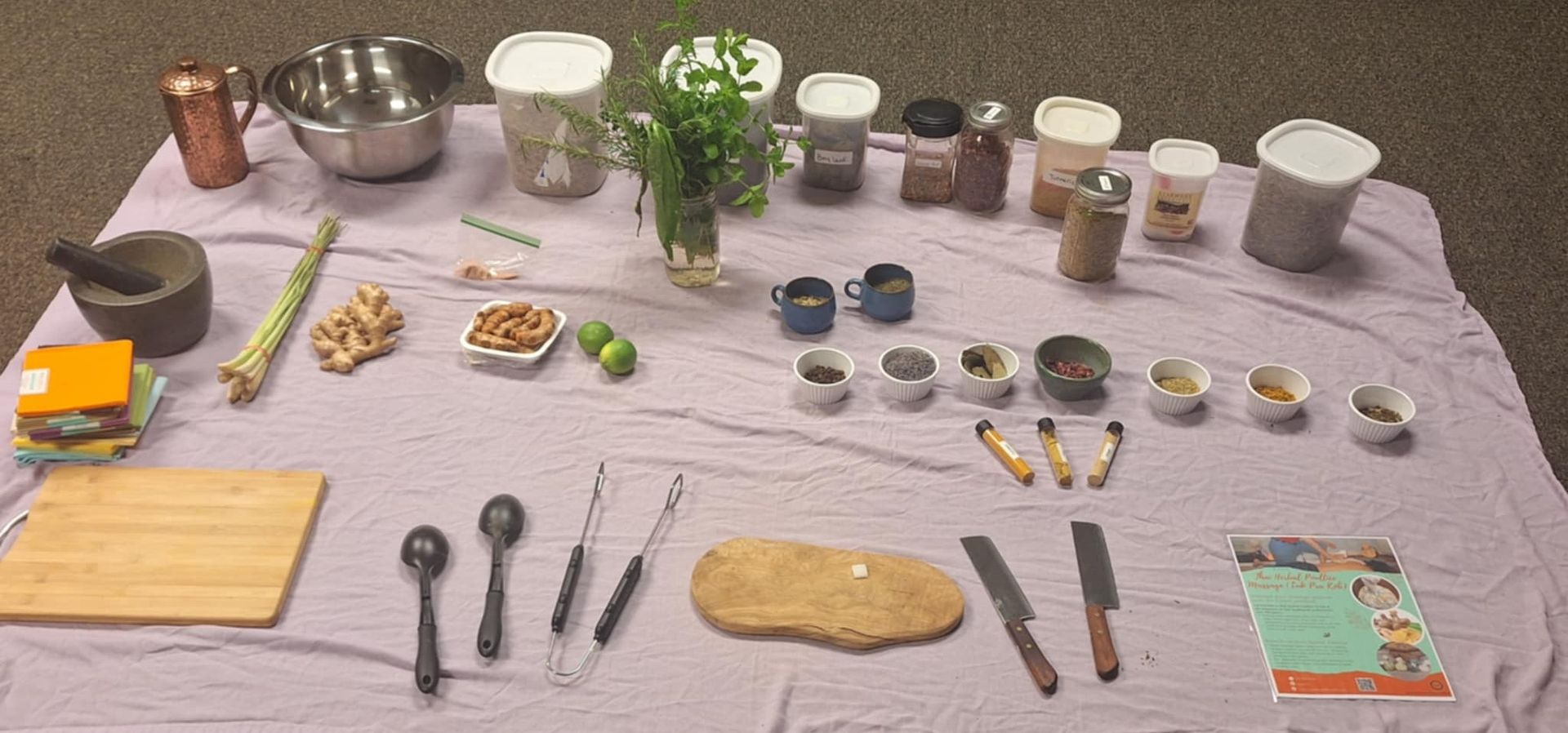
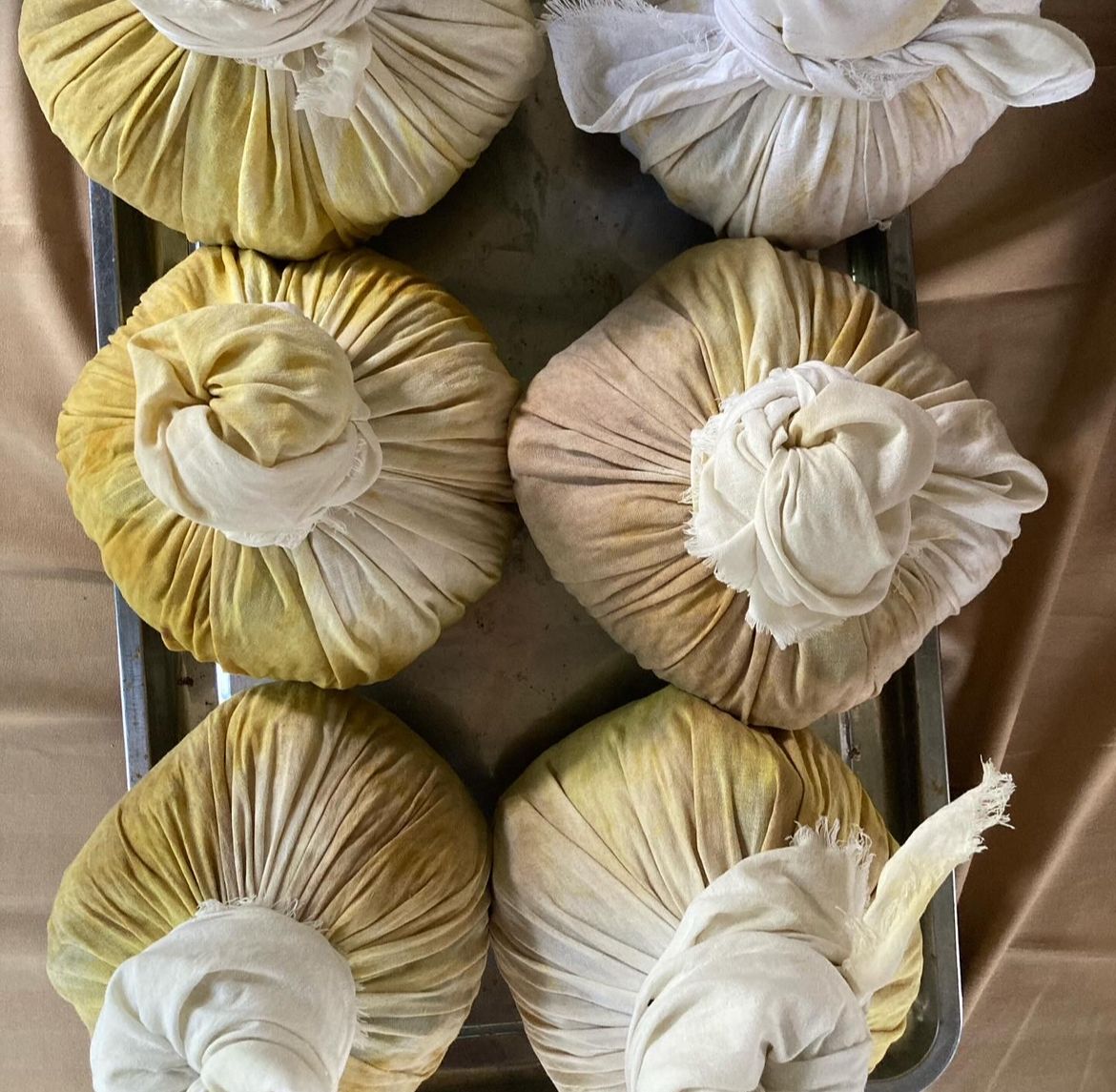
    • Learn how to safely prepare, heat, handle, and apply traditional Thai herbal poultices during bodywork.
    • Use herbal compress techniques to complement massage for muscular and joint discomfort.
    • Incorporate therapeutic botanicals, heat, compression, and traditional Thai techniques into treatment sessions.
    • Integrate Luk Pra Kob into Thai massage or other bodywork services as an additional treatment experience.

Upcoming Thai Massage Training

Continue Building Your Thai Bodywork Skills

Explore upcoming hands-on Thai massage workshops designed to help you strengthen your technique, expand your service offerings, and continue developing practical skills you can use with clients. View upcoming course dates, continuing education opportunities, and specialty trainings to find the next class that fits your goals.