
Why Everyone Needs to Be Talking About the Iliopsoas—And What You Can Do About It
Fernanda Santiago • April 12, 2025

I’ve seen it firsthand—day after day, client after client. When I first started in physical therapy over two decades ago, I worked in a practice where 70% of our patients were geriatric. I remember noticing that every waiting room chair had armrests. Why? Because many of our patients couldn’t get up without them. That detail stuck with me.


Fast forward to a new clinic years later, where I offered to donate a couch for the waiting room. I was quickly told, “We can’t have anything too low—our patients wouldn’t be able to get up.” And that’s when it really hit me.


Why is it that so many people lose the basic ability to get up and down from a chair—or worse, from the floor?


Then I traveled to Thailand for advanced studies, and I saw a completely different reality. I watched an elderly woman in the countryside, probably in her 80s, casually squatting deep to smoke a cigarette. It was eye-opening. No armrests. No fear. Full-body functionality.


We have normalized dysfunction here. We’ve accepted chronic pain, reduced mobility, and disconnection from our bodies as an inevitable part of aging or living a busy life. But it doesn't have to be that way.


For the last decade, I’ve emphasized one key thing to my clients and family: you must be able to get up and down from the floor. Deep squats, flexibility, and awareness of your body’s alignment are essential—not just for athletes, but for everyone. Because if you lose that ability, you’re losing a huge part of your independence.


Just recently, I had a family member end up in the hospital because of severe pain that felt very deep in the low back region. It progressively got worse over the weeks. The doctors ruled out organ issues, but the pain remained. As I started to ask questions, everything about it sounded familiar. She said it didn’t “feel muscular” like other injuries—it was sharp, deep, and aggravated by sitting. I sent a referral to one of my mentors, a specialist in neuromuscular and orthopedic massage with decades of clinical experience.


And bingo. Just as I suspected, the sneaky iliopsoas was the culprit. After proper treatment, the pain vanished.
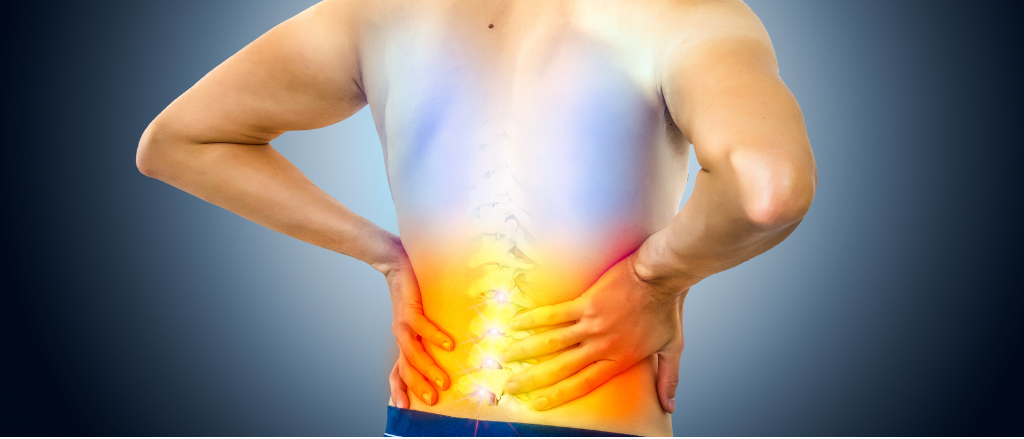
I’ve seen this scenario play out over and over again. This is why I take this work to heart. It's not just theory—it's real lives being impacted, pain being resolved, and people getting their lives back.

Over the years, I’ve worked with athletes, desk workers, chronic pain sufferers, and people with degenerative diseases. Many came to me after trying massage after massage, looking for relief. Some had low back pain, some groin tightness, others foot or knee issues that just wouldn’t resolve. And most of the time, the culprit was the same: the iliopsoas.


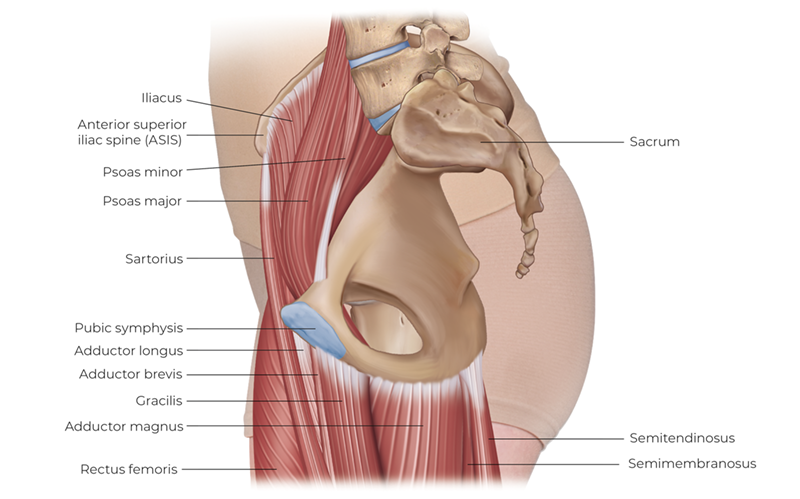
The deep hip flexors are often misunderstood and overlooked. It’s the root cause of so many pain patterns—but most treatments only address the symptoms. And I get it: not everyone wants to go deep. Some therapists fear causing discomfort or stepping outside their comfort zones. But real healing doesn’t come from staying surface-level.


When you treat from a place of heart, integrity, and skill, clients feel that. When you learn how to treat the iliopsoas in a way that is trauma-informed, respectful, and effective, you are offering something far beyond a temporary fix—you are giving them tools to reclaim their mobility and their quality of life.


That’s why I developed Iliopsoas Mastery: A Trauma-Informed, Neuromuscular & Thai Massage Approach for the Modern Therapist.

This training brings together everything I’ve learned—from neuromuscular therapy and working alongside European physiotherapists, to Thai massage and body mechanics. It’s integrative, it’s grounded, and it’s transformative.

Whether you’re a therapist who wants to go beyond symptom-chasing, or you’re ready to give your clients real, lasting relief—this class is for you.


Our expert team comes from diverse backgrounds and brings a rich blend of clinical and traditional approaches to share with students.

Dates to be announced soon!

Don't miss this opportunity to deepen your skills, transform your practice, and help your clients in ways that truly matter.

Because the ability to rise—from the floor, from pain, from limitations—is something every person deserves.

Stay tuned—and get ready to master the muscle that could change everything.
By Susan Good December 19, 2025
Before I became a massage therapist, I trained as a doula and fell in love with all things pregnancy and birth. I was living in Ireland at the time, and then I spent two months volunteering as a doula in Honduras. In one town I taught childbirth education classes in Spanish, but in all three hospitals where I volunteered I offered labor and birth support. Sometimes I wondered how I could help when I myself hadn’t yet had children, but I quickly learned that it was all about being a quiet presence and supporting the birthing woman’s own natural process. The following year I became licensed in massage and was excited to start working with prenatal clients. I noticed some of my co-workers at the spa hated getting booked prenatals, and I wondered why since I truly enjoyed the work. Over the years, chatting with colleagues helped me understand some of the things they didn’t enjoy about prenatal sessions: They hated massaging in side-lying position. They didn't like all the cushions. They fumbled with the draping. They were nervous they’d send their client into labor. (If only it was that easy!) THEIR bodies hurt giving the massage. In the beginning of my career I definitely felt physically uncomfortable giving some prenatal massages, like if my table wasn’t the correct height or my client’s back wasn’t close to the edge of the table. Sometimes I would contort my body to give what I thought was a good therapeutic massage. As I deepened my Thai massage practice, I noticed my body started feeling so much better than it ever had before. Working on a mat on the floor allowed me to use more of my body during the session and to deepen the work without having to overexert myself. One of my Thai massage teachers, Homprang Chaleekanha, says in her classes that when giving the massage stops feeling good for the practitioner, the work stops being therapeutic for the client. When I was pregnant with my daughter I received a Thai massage, but it was a bit too intense. The stretches went too far, the compressions too deep, and I felt very protective of my low back. After that, I assumed Thai massage was just something you couldn’t get when you were pregnant. In 2022 and 2023 I went to Thailand to study womblifting with Homprang, whom I first studied with in 2019. She taught us how to make herbal poultices and use them during the treatments in a traditional way. (I wish I could heat clay pots over an open fire in my treatment room!) Although womblifting is totally contraindicated during pregnancy, I learned so much about the approach of working with women where one of my jobs as the therapist is to nurture and support. Attending that training was deeply healing for myself after having had my first baby a couple years prior. Women need special attention in the prenatal and postpartum periods, and I love learning different holistic ways I can offer that. Over the years, I started feeling much more confident doing Thai sessions with pregnant clients. I realized those sessions aren’t (only) about what not to do in terms of stretches and compressions, but how to nurture the pregnant woman with oils, gentle focused stretching, and warm herbal poultices. Although experiencing pregnancy is ABSOLUTELY not necessary to be able to give a wonderful prenatal Thai massage, I made note of the various changes my own body had made during pregnancy to help customize each and every session. Listening to the cues my clients' bodies give before and during the massage always helps me learn something new with each treatment. Some of my favorite sessions to give are prenatal Thai massages! I love mixing the herbal blends, filling the treatment room with the sweet floral aromas before the client arrives, and creating an environment where the client can truly tune in with her body and relax mentally. Giving prenatal Thai massage on a mat allows for much more room for cushions and for the client to rest comfortably however she wants. The steamed herbal poultices are a soothing extension of my hands…not to mention MY hands feel amazing while working with the herbs. As one of my clients once put it, receiving a prenatal Thai massage is like taking a nap in a warm cup of herbal tea! I’m excited to teach Thai Prenatal Herbal Poultice Massage to therapists so we can help more pregnant women experience this deep and nourishing relaxation!
By Fernanda Santiago April 20, 2024
In the competitive world of spa services, it's tempting to resort to discounts and specials to attract clients. While creating seasonal offerings can be helpful to engage current clients, attract new clients and encourage them to try new services, we don’t want to fall into the trap of offering specials too often. While it may seem like a quick fix to fill appointment slots and boost revenue, this approach can actually be detrimental to your business in the long run. Here’s why: Devaluation of Services: Constantly offering specials can devalue the perception of your services in the eyes of your clients. When clients become accustomed to discounted rates, they may hesitate to book appointments at full price in the future, leading to a decrease in overall revenue. Attracting Price-Sensitive Clients: Clients who are primarily attracted to specials and discounts are often more price-sensitive and less loyal. They may shop around for the cheapest deal rather than forming a long-term relationship with your spa. This can result in a higher churn rate and lower client retention. Erosion of Brand Image: Your spa's brand image is crucial for attracting high-value clients and standing out in the market. Constantly offering specials can cheapen your brand image and undermine the perception of quality and exclusivity that you've worked hard to cultivate. Negative Impact on Profit Margins: Continuously discounting services can erode your profit margins over time. While specials may initially attract clients, the reduced revenue per service can ultimately outweigh the benefits of filling appointment slots, especially when factoring in the cost of providing the service. Difficulty in Upselling: When clients are accustomed to discounted rates, they may be less receptive to upselling additional services or premium treatments at full price. This can limit your ability to maximize revenue per client and hinder the growth of your business. While offering specials occasionally can be a strategic marketing tactic, constantly relying on discounts can have detrimental effects on your spa business. Instead, focus on highlighting the unique benefits of your services, building long-term client relationships, and maintaining the perceived value of your offerings to ensure the sustainable growth and success of your spa. In other words, work with what you’ve got! The Power of Highlighting Services: A Strategic Approach for Spa Professionals Here’s why we believe that highlighting your services creates a more sustainable and effective approach: Value Perception: When you highlight a service, you're showcasing its unique benefits and value proposition. This elevates the perceived value in the eyes of your clients, making them more willing to pay full price. Building Expertise and Trust: By focusing on specific services, you position yourself as an expert in those areas. Clients are more likely to trust your expertise and recommendations, leading to higher retention rates and client satisfaction. Targeted Marketing: Highlighting services allows you to target specific client needs and preferences. This enables you to tailor your marketing efforts more effectively, attracting clients who are genuinely interested in the services you offer. Filling Open Slots Strategically: Instead of resorting to blanket discounts that can devalue your services, strategically highlight services that have open slots on your schedule. By showcasing these services to your clients, you can fill those slots while maintaining the perceived value of your offerings. Encouraging Repeat Business: When clients experience the full benefits of a highlighted service, they're more likely to return for future appointments. This fosters long-term client relationships and generates consistent revenue for your spa. In conclusion, highlighting services offers a more sustainable and valuable approach for spa professionals compared to giving discounts or specials. By focusing on the unique benefits of each service, you can keep clients engaged, fill open slots on your schedule, and ultimately grow your spa business.
By Fernanda Santiago February 1, 2024
Unlock superior spa services and client satisfaction by investing in professional staff training—minimize risks and boost loyalty.