
Thai Herbal Compress Training

Fernanda Santiago • February 14, 2023

Thai Herbal Compress Training

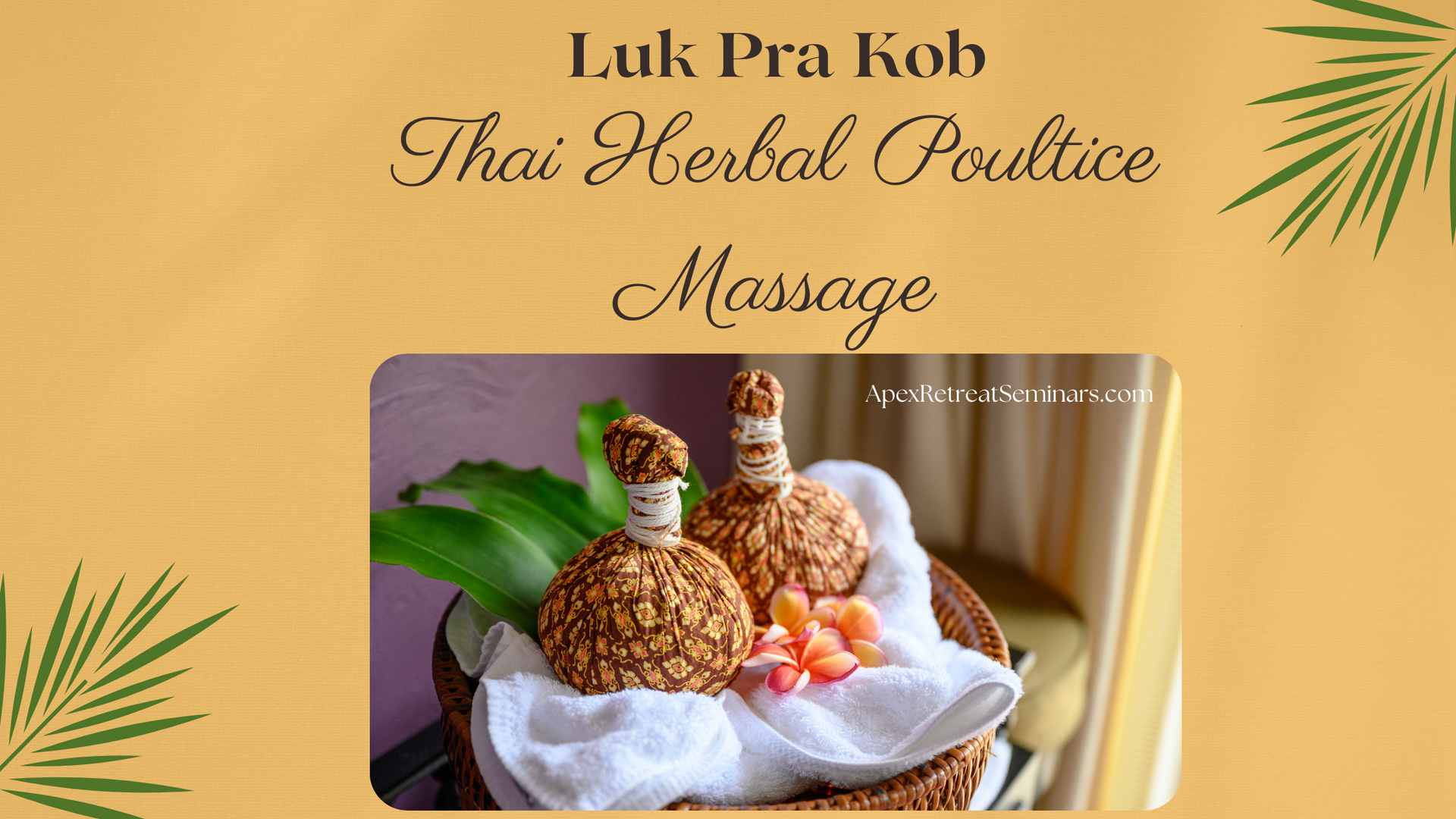
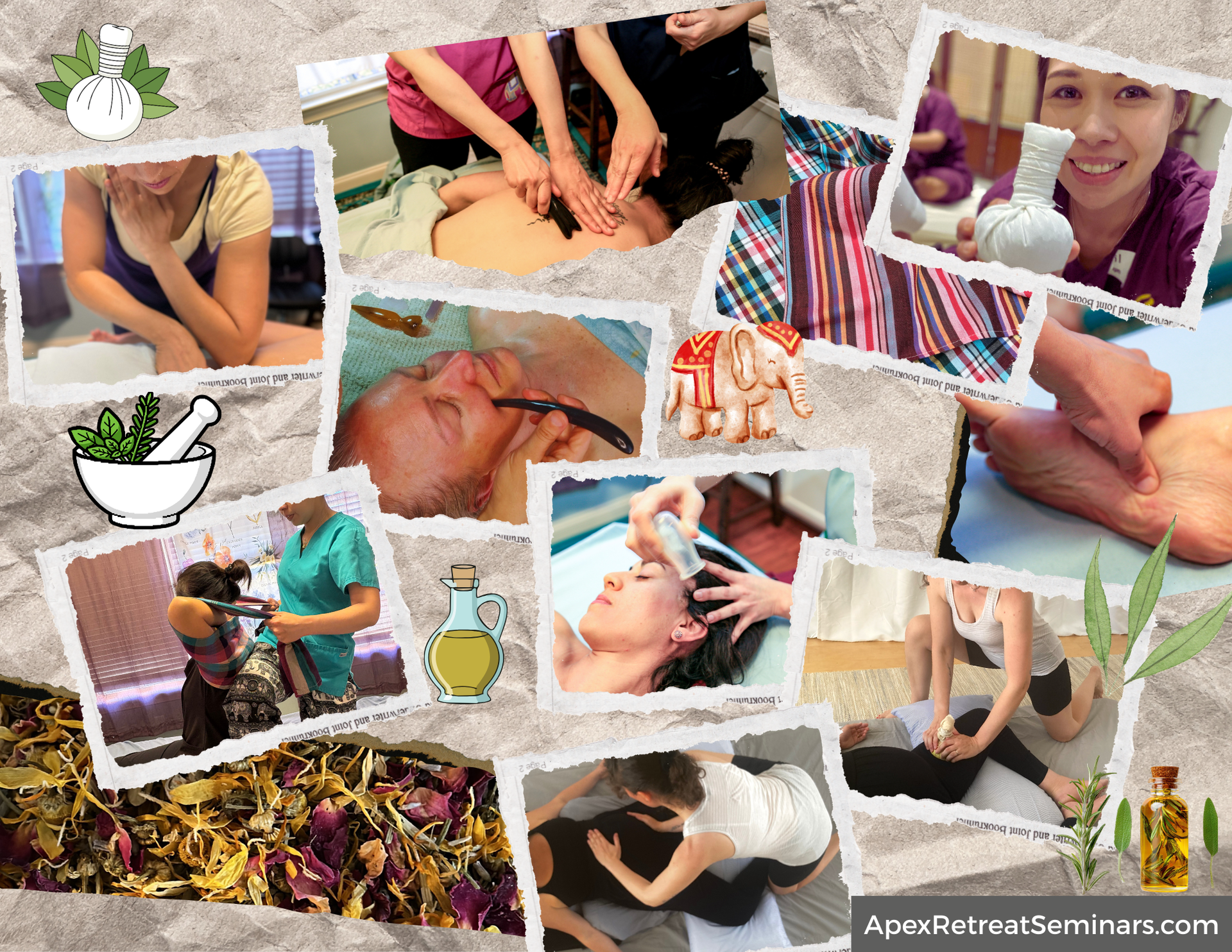
Do you want to learn how to incorporate herbs into your massage sessions? Luk Pra Kob, translated as “herbal pressing sphere” is one of the treasures of Thai traditional medicine for over 400 years. 


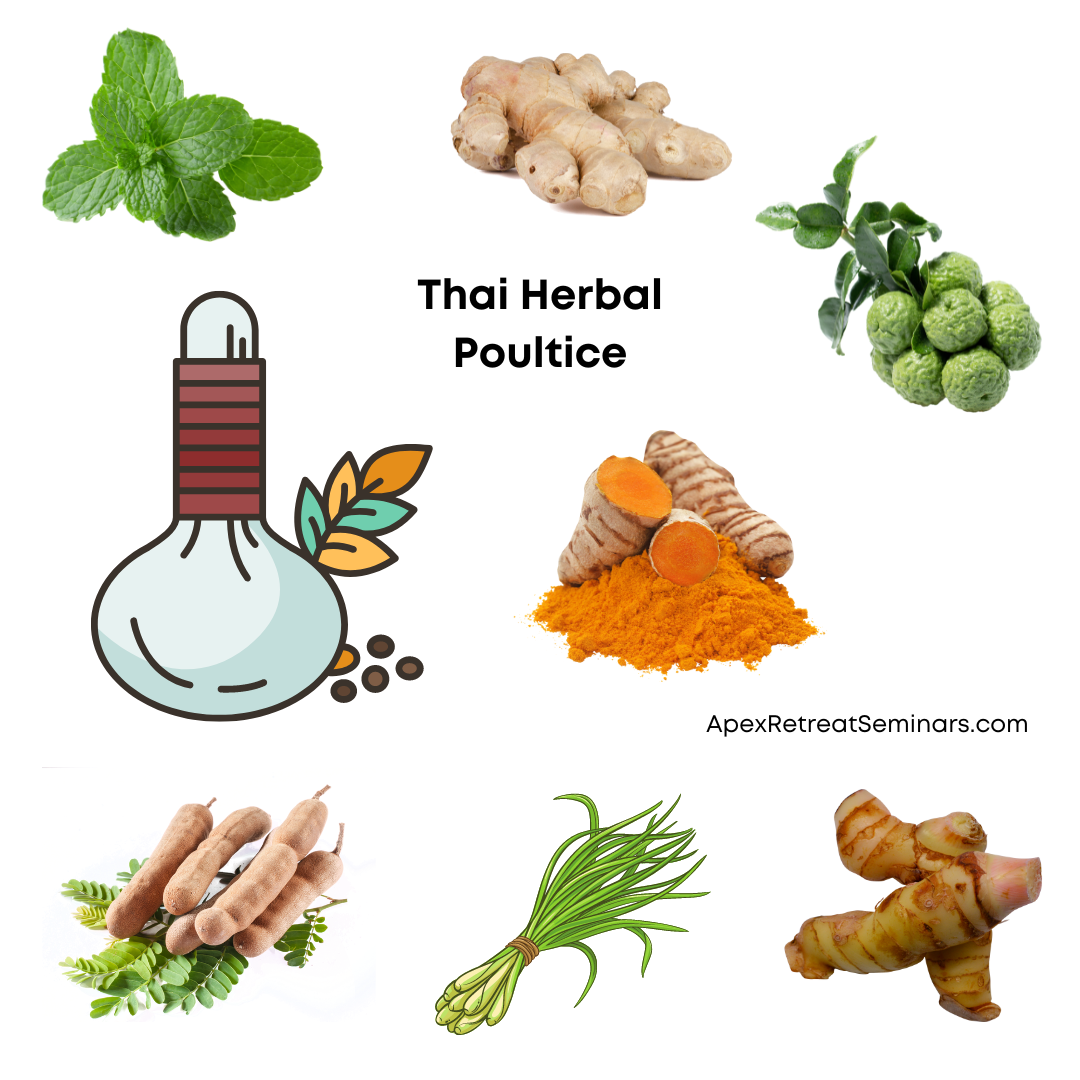
Learn about the uses and indications of these herbal bundles to help your clients. Discover a variety of herbs commonly used in Thailand to help relieve repetitive strain, pain and discomfort in muscles and joints, and much more. We will also learn about herbs found locally that can be adapted into these wonderful treatments.


Learn how to enhance your massage sessions with the Thai Herbal Poultice!


These steamed herbal balls have an incredible ability to soften myofascial tension, alleviating muscle and joint pain and restoring an over-taxed nervous system. The treatment is comforting and sedating to the recipients while these anti-inflammatory herbs do their work.


The herbal poultice can be integrated into different massage sessions. This is why you do not have to currently practice Thai Massage to take this class. With the new knowledge of these healing botanicals, you will be ready to add a new service to your menu.


Class Breakdown
• The first half of the day we will discuss, touch, and smell a variety of herbs at our disposal. Then we will make our own herbal Poultice for later use.
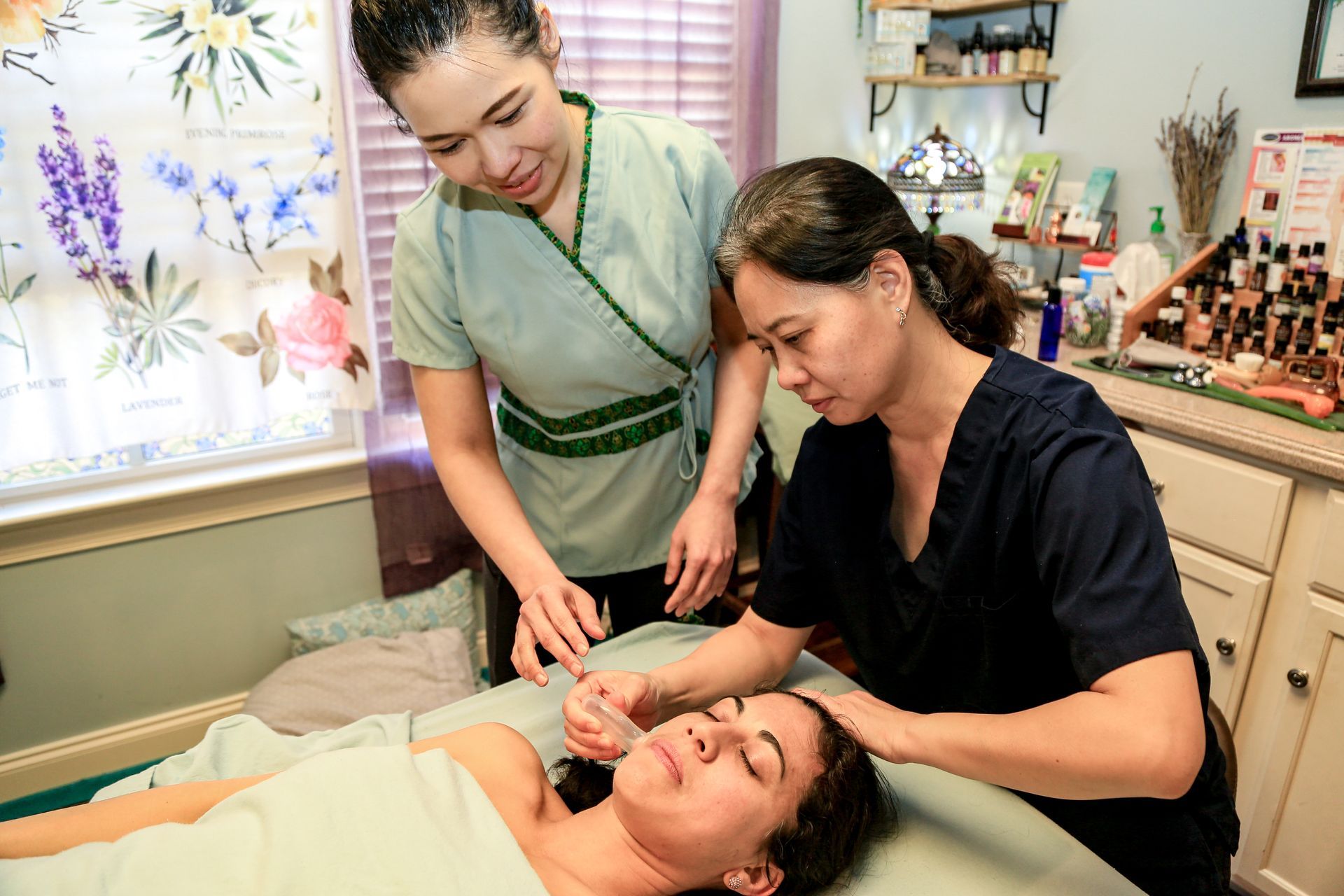
• The second half of class we will learn how to apply them to the body. Each student will receive a full-body herbal poultice massage. Your herbal poultice is yours to take home for reuse.

We will have these Thai herbal poultices available for purchase after class.

Click here to view our offerings.


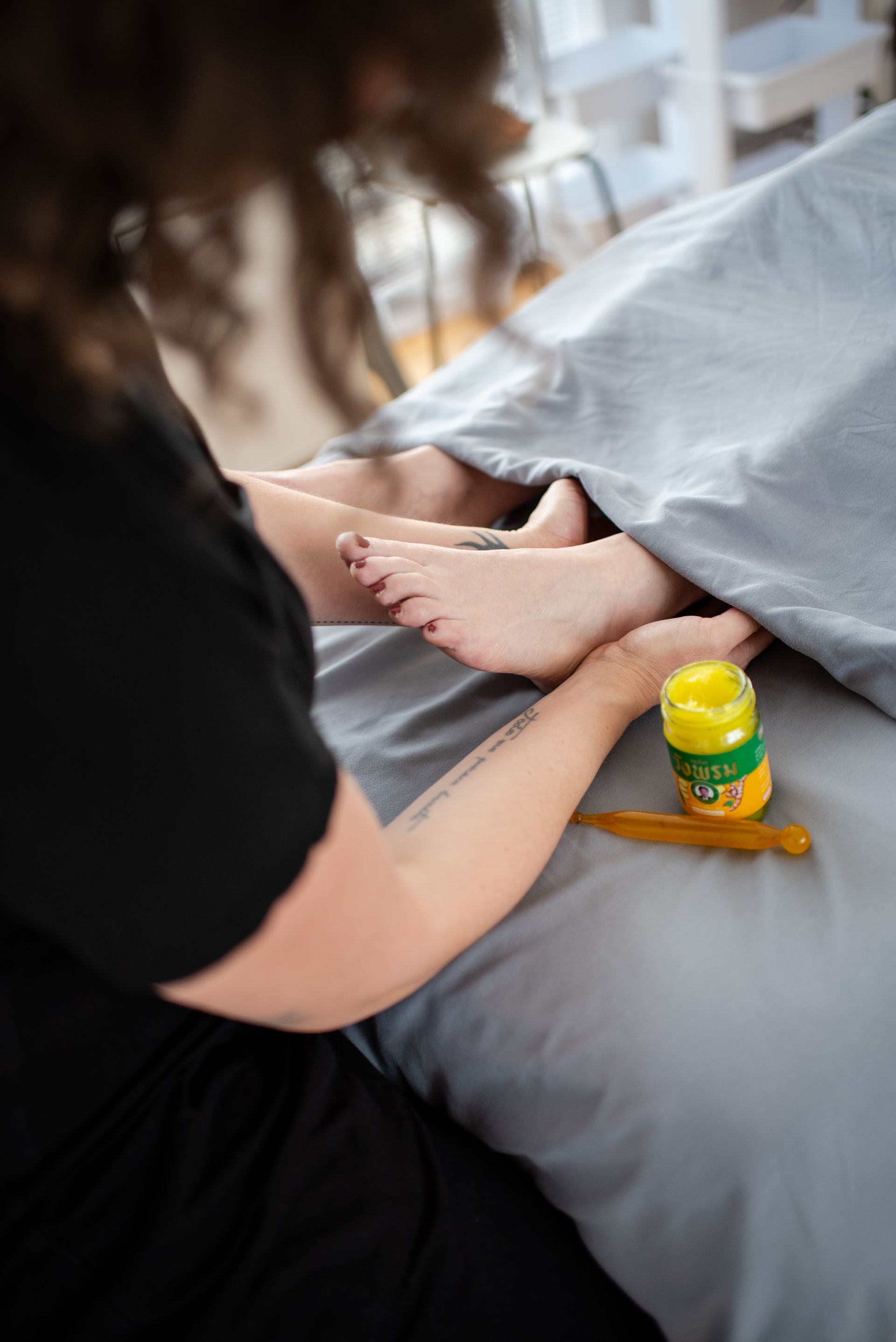
Fernanda has been working with Arucha, an herbalist in Northern Thailand that makes these wonderful bundles for our practice, made to order.
Arucha has a disability called Neurofibromatosis type 2. Yet she works hard to create these wonderful bundles of herbs harvested from their farm with her mother. We are happy to support her while keeping these traditions alive while sharing this healing modality with our students.
By Fernanda Santiago March 10, 2026
Learn how choosing quality continuing education can grow your skills, strengthen your practice, and help bodyworkers invest strategically in their careers.
By Susan Good December 19, 2025
Before I became a massage therapist, I trained as a doula and fell in love with all things pregnancy and birth. I was living in Ireland at the time, and then I spent two months volunteering as a doula in Honduras. In one town I taught childbirth education classes in Spanish, but in all three hospitals where I volunteered I offered labor and birth support. Sometimes I wondered how I could help when I myself hadn’t yet had children, but I quickly learned that it was all about being a quiet presence and supporting the birthing woman’s own natural process. The following year I became licensed in massage and was excited to start working with prenatal clients. I noticed some of my co-workers at the spa hated getting booked prenatals, and I wondered why since I truly enjoyed the work. Over the years, chatting with colleagues helped me understand some of the things they didn’t enjoy about prenatal sessions: They hated massaging in side-lying position. They didn't like all the cushions. They fumbled with the draping. They were nervous they’d send their client into labor. (If only it was that easy!) THEIR bodies hurt giving the massage. In the beginning of my career I definitely felt physically uncomfortable giving some prenatal massages, like if my table wasn’t the correct height or my client’s back wasn’t close to the edge of the table. Sometimes I would contort my body to give what I thought was a good therapeutic massage. As I deepened my Thai massage practice, I noticed my body started feeling so much better than it ever had before. Working on a mat on the floor allowed me to use more of my body during the session and to deepen the work without having to overexert myself. One of my Thai massage teachers, Homprang Chaleekanha, says in her classes that when giving the massage stops feeling good for the practitioner, the work stops being therapeutic for the client. When I was pregnant with my daughter I received a Thai massage, but it was a bit too intense. The stretches went too far, the compressions too deep, and I felt very protective of my low back. After that, I assumed Thai massage was just something you couldn’t get when you were pregnant. In 2022 and 2023 I went to Thailand to study womblifting with Homprang, whom I first studied with in 2019. She taught us how to make herbal poultices and use them during the treatments in a traditional way. (I wish I could heat clay pots over an open fire in my treatment room!) Although womblifting is totally contraindicated during pregnancy, I learned so much about the approach of working with women where one of my jobs as the therapist is to nurture and support. Attending that training was deeply healing for myself after having had my first baby a couple years prior. Women need special attention in the prenatal and postpartum periods, and I love learning different holistic ways I can offer that. Over the years, I started feeling much more confident doing Thai sessions with pregnant clients. I realized those sessions aren’t (only) about what not to do in terms of stretches and compressions, but how to nurture the pregnant woman with oils, gentle focused stretching, and warm herbal poultices. Although experiencing pregnancy is ABSOLUTELY not necessary to be able to give a wonderful prenatal Thai massage, I made note of the various changes my own body had made during pregnancy to help customize each and every session. Listening to the cues my clients' bodies give before and during the massage always helps me learn something new with each treatment. Some of my favorite sessions to give are prenatal Thai massages! I love mixing the herbal blends, filling the treatment room with the sweet floral aromas before the client arrives, and creating an environment where the client can truly tune in with her body and relax mentally. Giving prenatal Thai massage on a mat allows for much more room for cushions and for the client to rest comfortably however she wants. The steamed herbal poultices are a soothing extension of my hands…not to mention MY hands feel amazing while working with the herbs. As one of my clients once put it, receiving a prenatal Thai massage is like taking a nap in a warm cup of herbal tea! I’m excited to teach Thai Prenatal Herbal Poultice Massage to therapists so we can help more pregnant women experience this deep and nourishing relaxation!
By Fernanda Santiago April 12, 2025
Discover the often-overlooked iliopsoas muscle and how it contributes to chronic low back pain, mobility issues, and postural imbalances. Learn why modern therapists must understand this key muscle and join us for Iliopsoas Mastery—a trauma-informed, neuromuscular, and Thai massage workshop designed to address pain at its root.