
The Best Oils for Massage
The Best Oils for Massage
Do you know what’s in your massage medium (lotion/oil/cream)? This is the question I ask the students who attend my Aromatherapy therapy trainings.
I often hear comments from therapists who have concerns and would like healthier options for their clients and themselves. Some haven’t realized that what you use on your clients you’re also exposing yourself to on a daily basis and at a much higher level from multiple treatments per day. After coming to this conclusion they often ask for different options.
Preservatives in Lotions & Creams
Many commercial lotions are packed with nasty preservatives. There has been a concern in recent years about what we put on our skin and it disrupting our natural skin’s microbiome.
Did you know…Probiotics don’t just exist inside our gut. Our skin contains good bacteria that serve as protection from the outside world. However, if we don’t take care of it or worse destroy it by the use of harmful chemicals, this can lead to skin problems such as eczema. # *
Why do lotions and creams often contain preservatives? Preservatives are a common ingredient in these products to extend the shelf life. Lotions and creams contain water and when you add water to a product you’re at risk for funky things growing in there!
Many therapists choose to use lotions and creams for different reasons. Sometimes it’s the concern of getting oil on the carpet. Also, they are worried about not having enough grip and being too slippery. But there are ways that you can adapt when you find the right oil base for your practice.
The Use of Oils for Massage
This post is specific for the use of oils for massage.
You can’t get any more natural than just using a pure vegetable base oil. The traditional way to perform massage therapy has always been with oil.
For specific neuromuscular or myofascial therapy to Swedish massage, oils can be adaptable when used accordingly.
If you’re looking for more grip and less glide then all you need is a few drops. Oils can go a long way!
With so many available oils on the market, it can be overwhelming to choose. As a certified clinical therapist and bodyworker for almost two decades, I’ve had hands-on experience with formulation giving me the opportunity to utilize a wide array of natural oils for massage therapy treatments.
These natural oils are rich in nutrients such as omega 3 and 6 fatty acids, vitamins, minerals, antioxidants and more. By applying these oils to the skin we are providing “topical nutrition”.
You can blend a combination of these natural oils to make the consistency suitable to your preference.
With proper storage conditions (cool, out of direct sunlight), you can expect a good shelf life with these oils.
When purchasing your oils look for cold pressed and organic (always a plus).
Here are my top oils that are beneficial for massage:
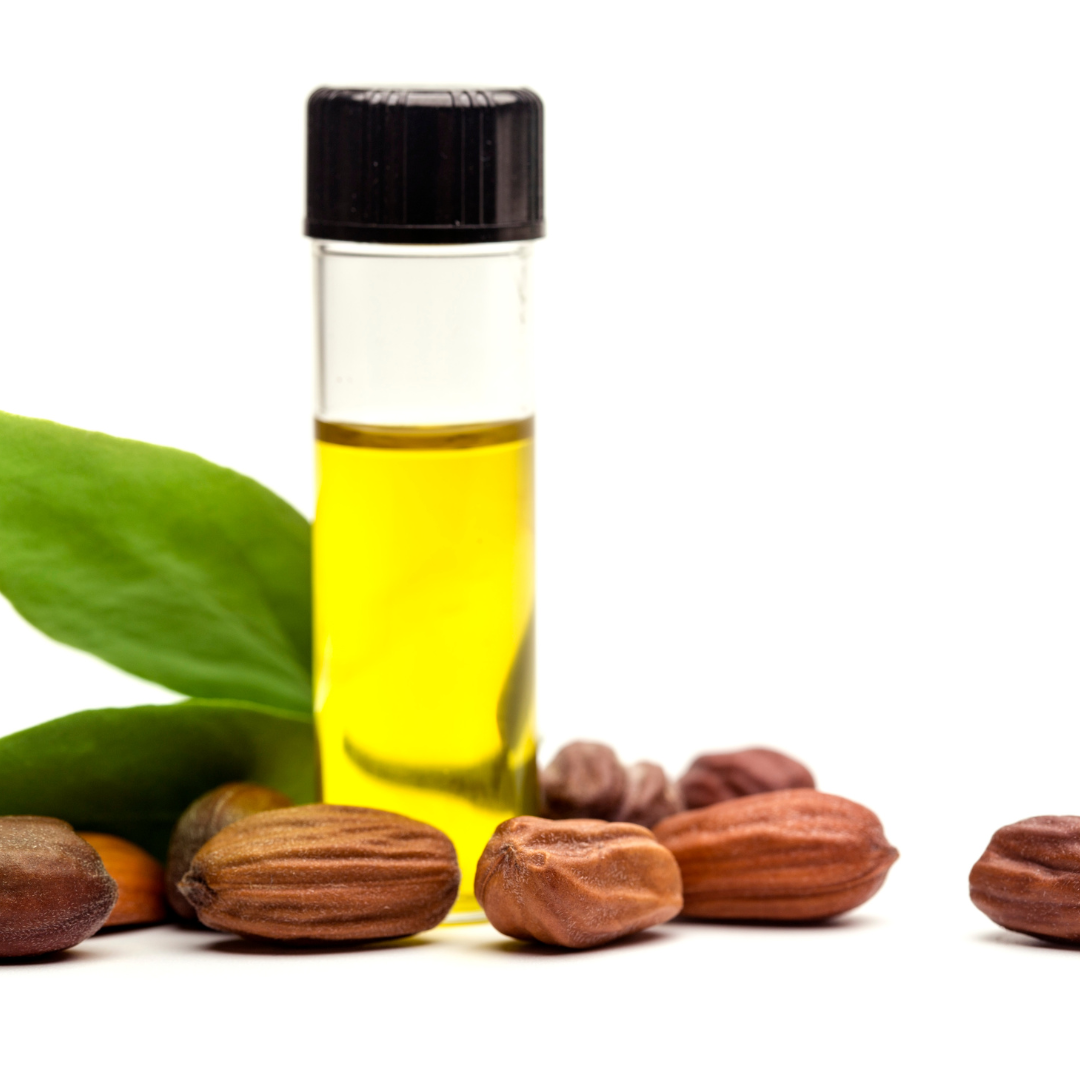
Jojoba (Simmondsia chinensis)
This is my favorite carrier oil by far! A liquid wax with a light, fine texture, very similar to our own body’s natural sebum. It is rich in vitamin E which gives a healthy-looking complexion to your skin. Its natural anti-inflammatory properties are great for soothing eczema, psoriasis and inflammatory skin conditions. A wonderful all-around skin and body oil. Shelf life-up to 2 years.
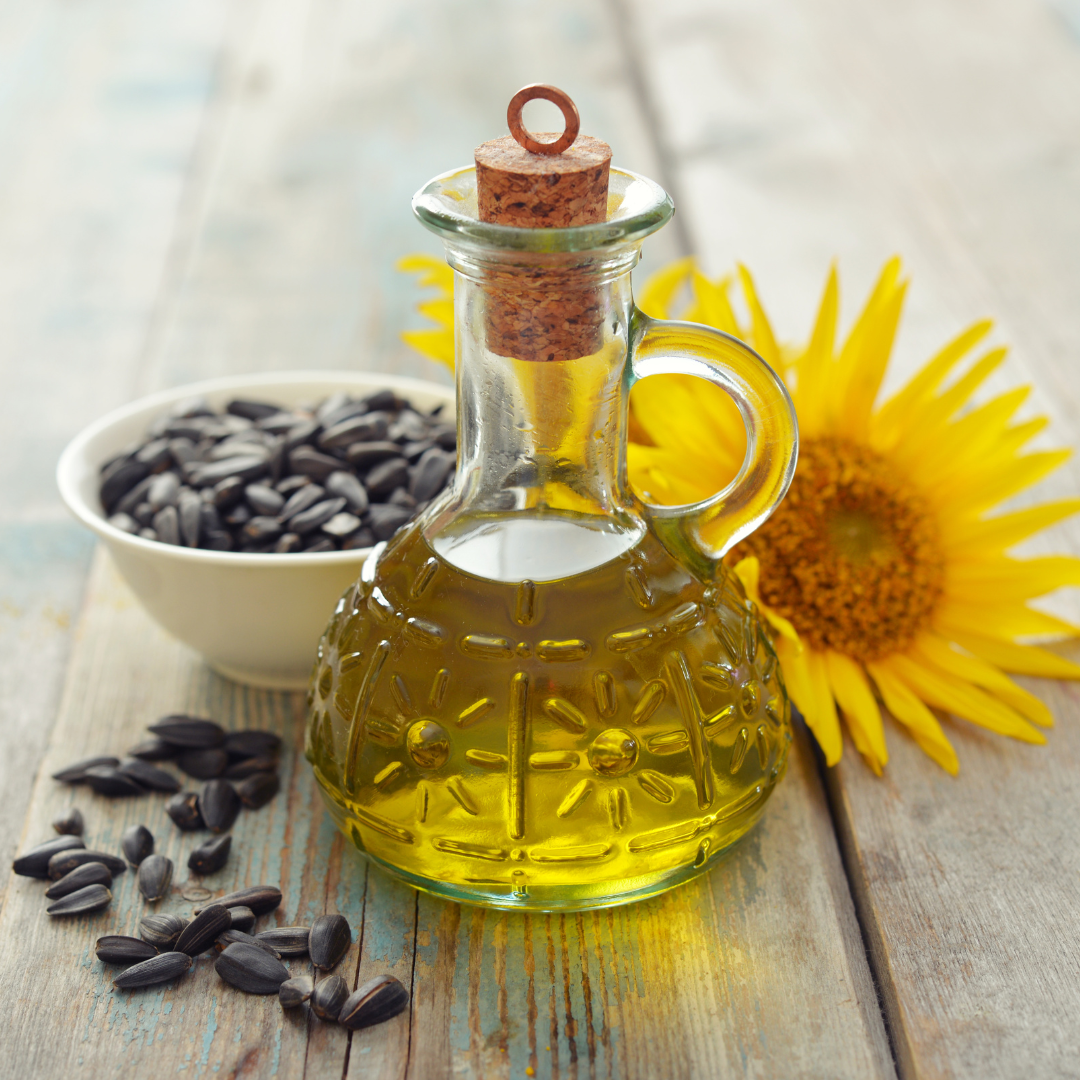
Sunflower Oil (Helianthus annuus)
This deeply nourishing oil is a wonderful skin conditioner with high amounts of Vitamins A, B, D and E, minerals, and also has beneficial amounts of lecithin and unsaturated fatty acids. Sunflower is a versatile oil that is readily absorbed by the skin and can be used in massage and in aromatherapy. Shelf life-up to 2 years.
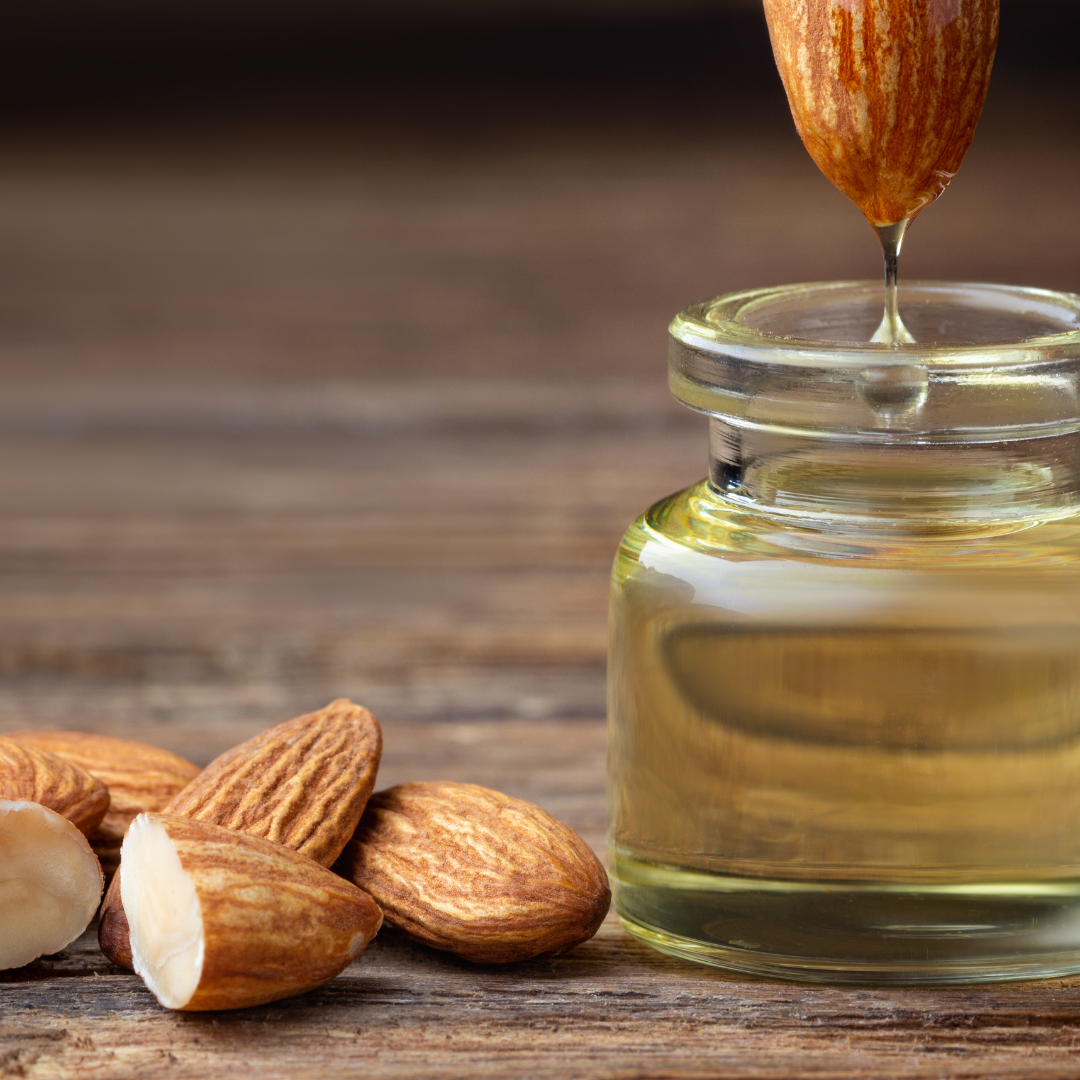
Sweet Almond (Prunus dulcis)- A great all-purpose oil. Suitable for all ages and skin types. An excellent emollient and is known for its ability to soften and re-condition the skin. It is rich in proteins, Olein Glyceride Linoleic Acid, and Vitamin D, and is considered extremely nourishing to the skin when used regularly. It is nourishing, non-irritating and easily absorbs. Medium consistency. Shelf life -up to 2 years
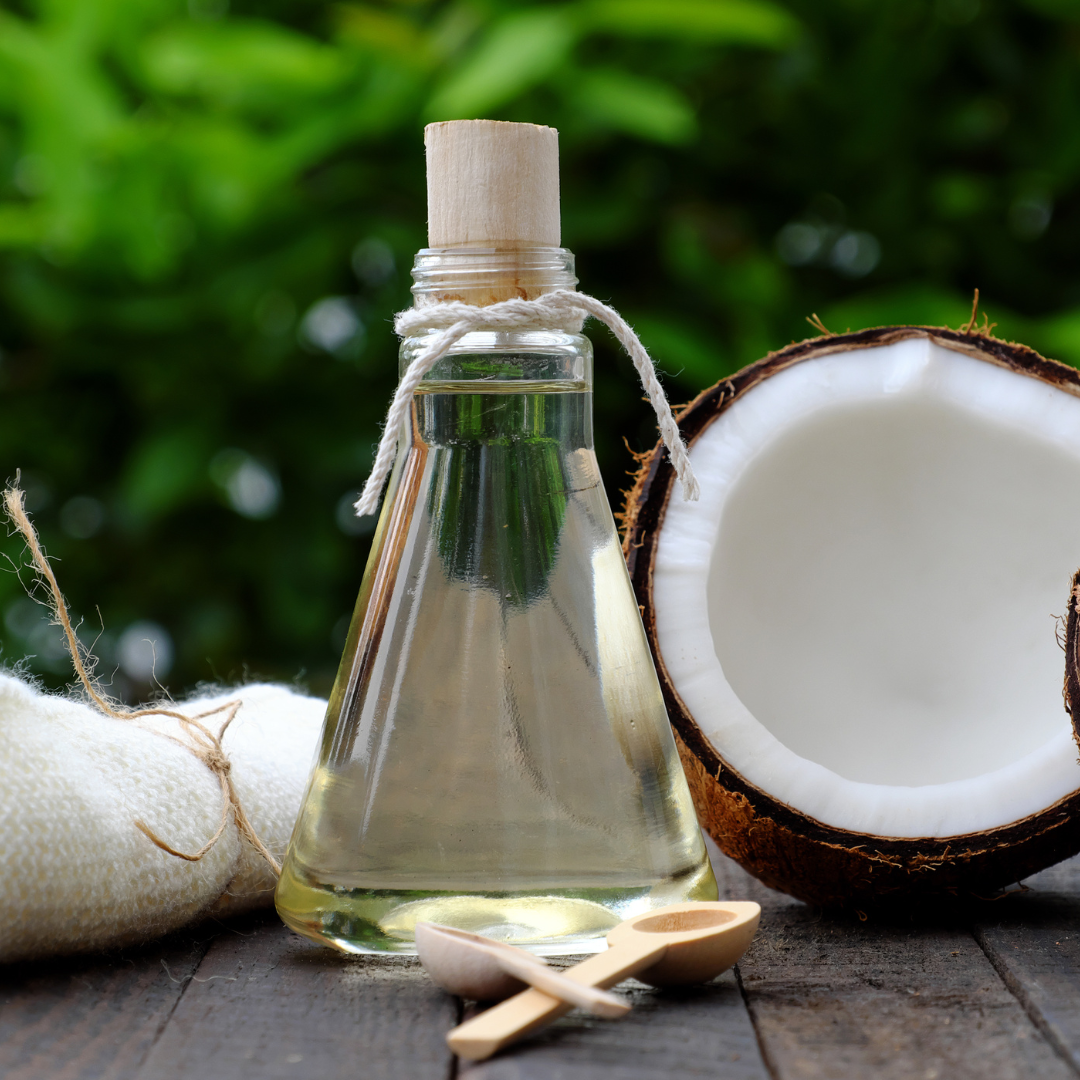
Coconut Oil (Cocos nucifera)– Skin protecting, Emollient (soothes and softens the skin). Fractionated coconut oil is a fraction of the coconut oil from which almost all the long chain triglycerides are removed, thus leaving mainly the medium-chain triglycerides and making it an absolutely saturated oil. This saturation gives it a very, very long shelf life and greatly increases stability. If you need a light oil that will mix well with the other oils, absorbs into the skin easily and will moisturize without clogging pores, then fractionated coconut oil is a good fit. It is predominantly composed of Capric and Caprylic acids. Virgin coconut oil is suitable for massage as well. Melting it in a small bowl inside a towel warmer provides for a luxurious application of this warm oil. Shelf life – up to 2 years.
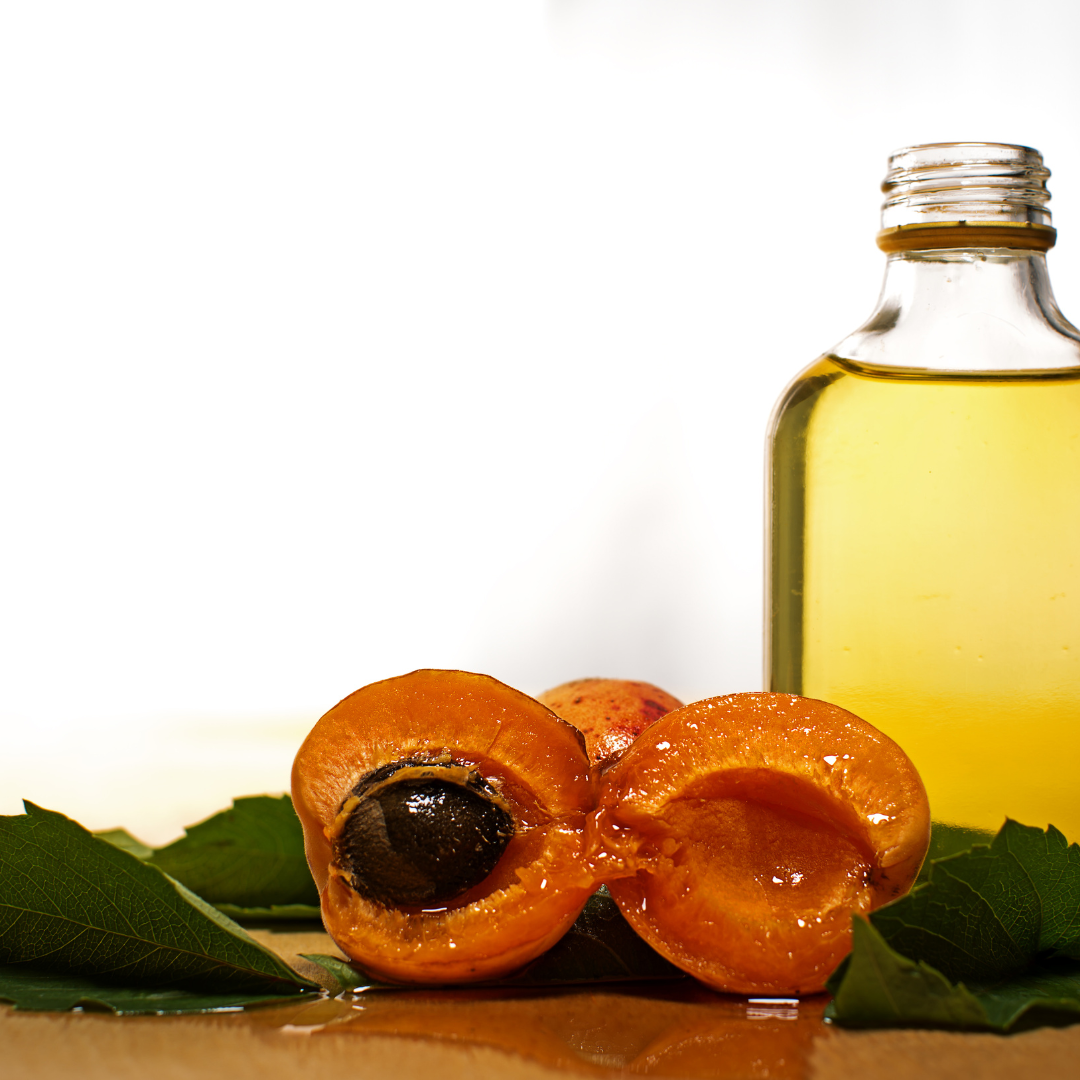
Apricot Kernel Oil (Prunus armeniaca)– A gentle emollient oil, suitable for all skin types especially great for dry, sensitive or inflamed skin. Rich in oleic, linoleic and palmitic fatty acids, as well as Vitamins A and E, it is known for its revitalizing, moisturizing and nourishing properties for skin and hair. Skin nourishing and softening with a light consistency. Shelf life -up to 1 year
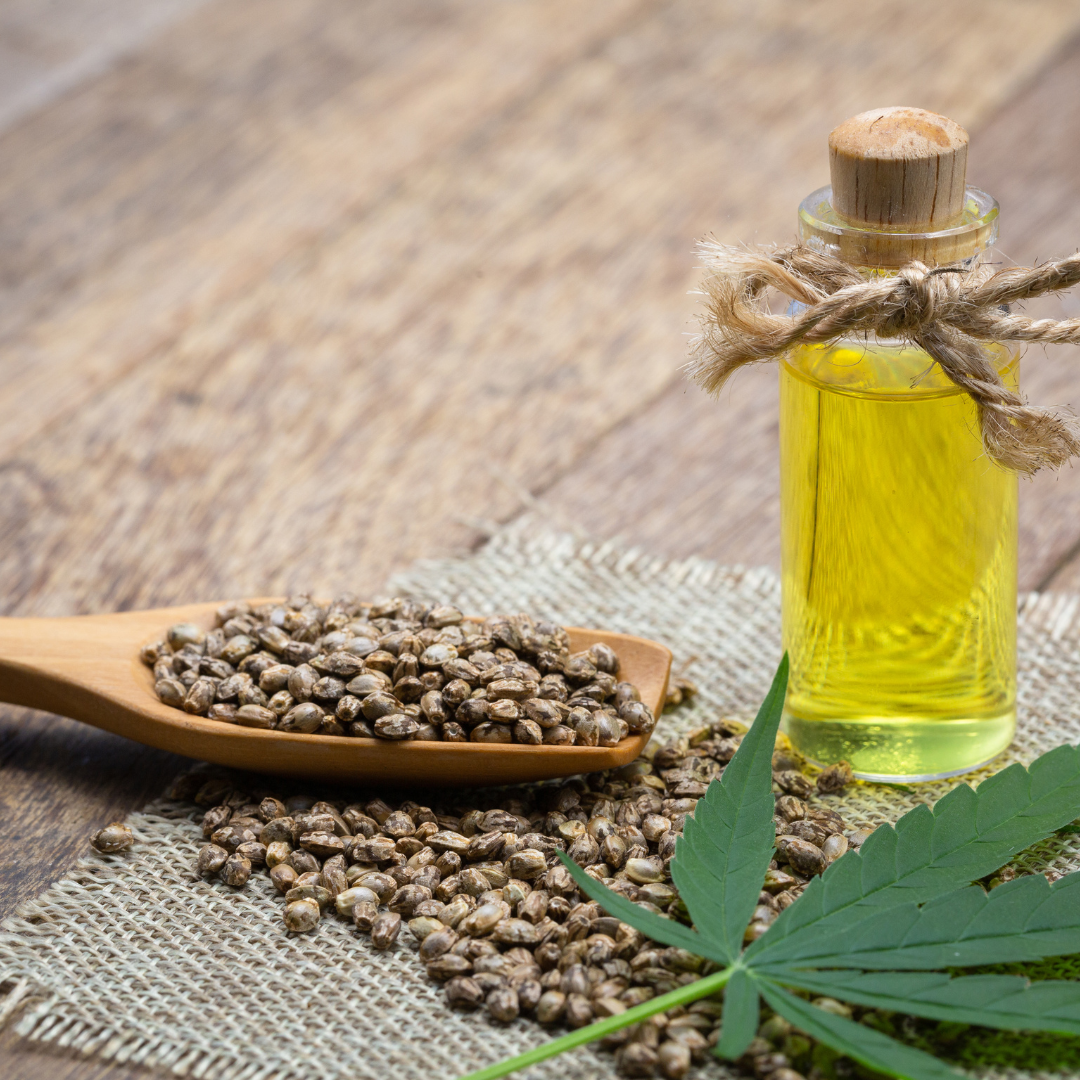
Hemp Seed (Cannabis sativa)- Rich in minerals, proteins, amino acids, omega 3 and omega 6 essential fatty acids. Hemp Seed Oil is also said to closely match our own skins lipids and the essential fatty acids are readily absorbed into the skin. A natural protectant for the skin’s moisture barrier while improving the texture of skin. Shelf life – up to 2 years.
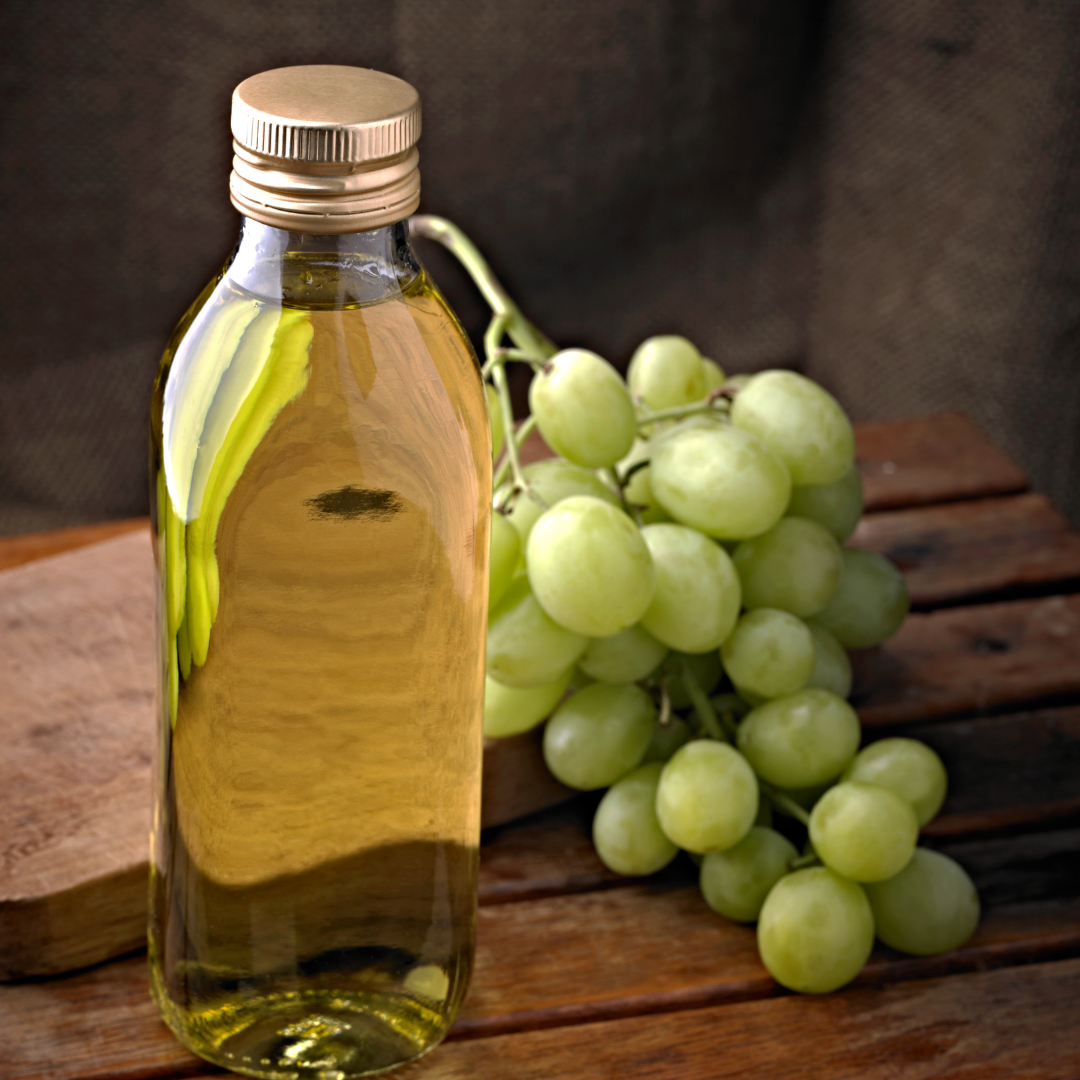
Grapeseed (Vitis vinifera)– A great all-purpose oil suitable for all skin types. Light green color, light consistency that israpidly absorbed by the skin, which makes it a good massage oil. Shelf life – up to 2 years.
I hope you find this information helpful. If you are using oils as your massage medium, what are your favorites?
Please share below! 💚